The newborn teddy bear that becomes the lifelong one
A newborn teddy bear becomes the lifelong one only when it is small enough to carry, embroidered rather than glued, washable, and chosen for craft over scale — here is what to look for in 2026.
A newborn teddy bear becomes the lifelong companion in roughly one case in three, and almost always shares four traits: between 22 and 28 centimetres seated, embroidered features rather than glued plastic, washable at 30 degrees, and named within the first week. The bear that survives is rarely the largest — usually the smallest the child can comfortably carry. Glowkin's [Blaze companion](https://glowkin.co.uk/shop/blaze/) sits there at £34.99, weighted, hand-finished, built for between two and ten years of daily use rather than the unboxing. Without a name in the first week, even the well-made bear tends to disappear into the toy box within six months.
What separates a kept teddy bear from a retired one
A kept newborn teddy bear is almost always smaller than the one bought. Buyers upsize because larger feels generous; children downsize because what they can carry is what they keep. The survivor is one a toddler holds at three.
A worth-keeping newborn teddy bear has three traits the buyer can confirm at the till: scale (15-28cm seated), construction (embroidered features rather than glued plastic), and care (washable at 30 degrees). Without scale, the bear is a storage problem within months. Without embroidered construction, the bear fails the Cleveland Clinic child development guide which is unambiguous that anything detachable on a soft toy under three is a choking risk. Without washability, the bear is unusable after the second illness or first weaning meal. The price band that matches all three traits in 2026 is £30-£60. Glowkin's Plush at £34.99 sits at the lower edge — embroidered throughout, weighted, washable, presented in a numbered linen-wrapped box ready to give. The bear becomes lifelong when it survives ten years of holding, not when it looks impressive on day one.
Why the teddy bear became the default newborn gift
The teddy bear has been the default newborn gift since 1903, when Steiff and Ideal Toy Company began commercial production. The format outlasted every other newborn gift category — wooden rattles, silver christening cups, hand-stitched dolls — because it was the right size for an arm, the right weight for a chest, and the right material for a face press.
The teddy bear's hold takes 122 years of cultural reinforcement to explain. It is the single object reliably given by every category of buyer — grandparents, godparents, friends, distant aunts — because it is sex-neutral, age-neutral, and emotionally legible without instruction. A baby does not need to be taught what a teddy bear is. The BBC Tiny Happy People sensory development article describes the soft companion as the consistent object the child returns to without prompting across waking and sleeping hours of the day. The bears that became cultural icons — Steiff, Vermont, Charlie Bears — share the construction logic Glowkin uses: hand-finished, embroidered, weighted, and made to be carried for years rather than displayed for a single season. The price reflects the labour: a hand-finished UK studio teddy bear in 2026 costs between £30 and £80.
What scale and weight a newborn teddy bear should be
A newborn teddy bear should be 22 to 28 centimetres seated. Smaller than 15cm becomes a choking hazard once seams loosen. Larger than 30cm is awkward in a Moses basket, a pram, an overnight bag at seven. Most heritage bears are unweighted; modern heirloom plush sits between 350 and 500 grams.
Weight matters more than buyers expect. An unweighted teddy bear drifts out of the child's grip during sleep and slides to the foot of the cot or the floor. A weighted bear stays where the child puts it, keeps shape against the chest during reading, and reads as a small body rather than a hollow shell. The 350-500 gram window is where the calming effect parents describe begins; below it, weight goes unnoticed; above 500 grams, the child puts it down and walks away. Glowkin's 22-28cm Blaze sits at the lower edge of that window, hand-finished in our Lancaster studio in small batches. The bear is unwrapped at birth, lives on the nursery shelf for the first six months, and joins active rotation once the baby can lift their face away from a soft surface.
What craft signals to look for at the till
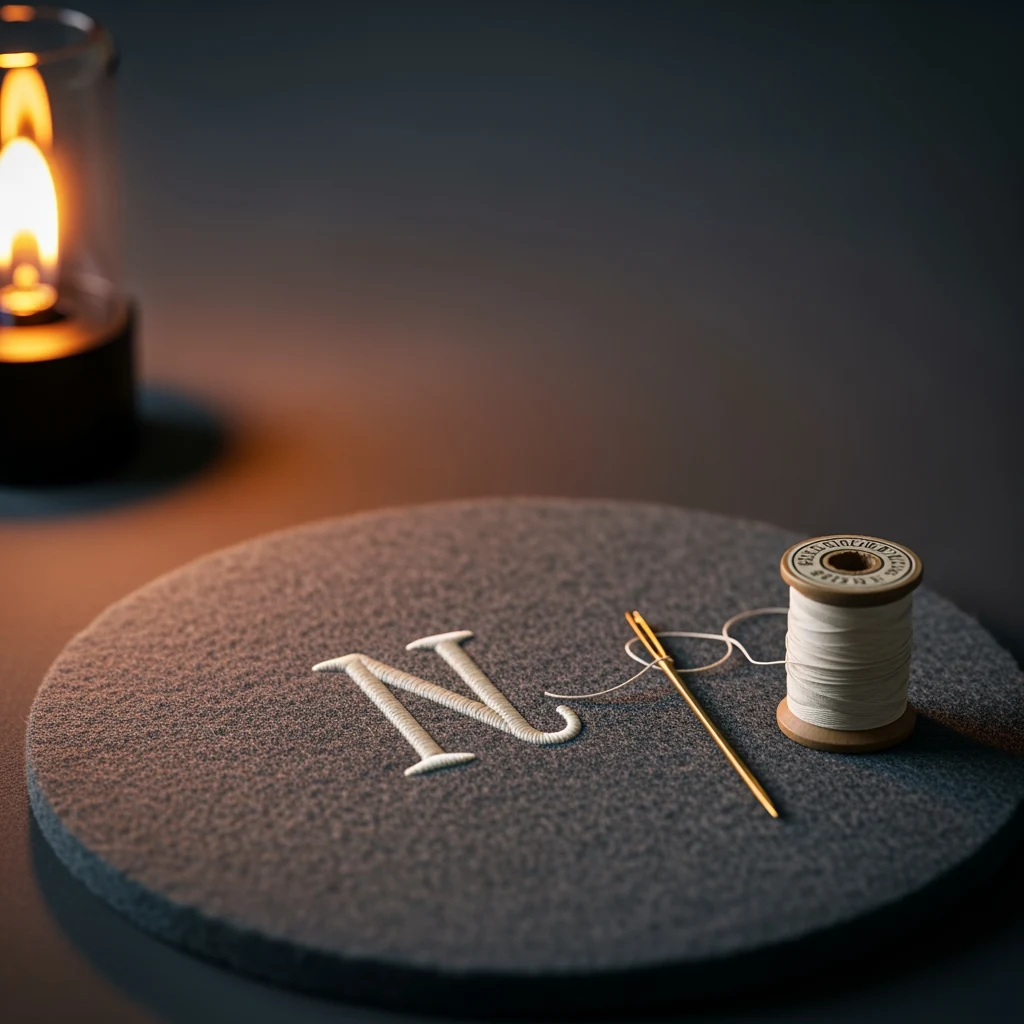
Three craft signals separate a heritage-quality teddy bear from a mass alternative: embroidered features rather than safety eyes, stitched seams rather than glued, and OEKO-TEX Standard 100 fabric certification. All three are visible at the till if the buyer knows where to look. Anything missing one of the three is a future donation, not a future heirloom.
Embroidery is the most reliable craft signal. Plastic safety eyes detach under pressure; sewn-on noses come loose with chewing; glued features fail the saliva test in minutes. An embroidered eye, nose, or paw stitch is part of the fabric itself and cannot come away. The second signal is the seam — a hand-finished bear shows visible stitching along the side seam, the head-body join, and the limb attachments; a glued bear has hidden seams that fail sooner. The third is OEKO-TEX Standard 100 certification — without it, fabric may carry leftover finishing chemistry that no newborn skin should meet, as Mumsnet's newborn essentials guide underlines for any object near the baby's mouth in the first months. Glowkin's companion range embroiders every detail, hand-finishes every seam, and certifies every fabric.
What to skip — the teddy bears that quietly retire
Skip the giant. Skip the dressed bear with removable clothing. Skip the bear that sings. Skip the bear from an £85 hamper alongside fourteen components. None survive the first year of carrying, washing, and transition; all retire to the storage box by the time the child can talk.
Skip plastic safety eyes — they detach. Skip ribbons longer than 22 centimetres at the neck — UK toy safety rules on cord length are explicit about strangulation risk for products aimed at under-thirty-six-month-olds. Skip dressed bears with removable jackets, shoes, or hats. Skip any "weighted for sleep" bear sold for the first year; UK paediatric advice keeps weighted plush out of the cot before twelve months. Skip novelty altogether: the bear that lights up, the one that records messages, the one that plays music. The kept bears are quieter, simpler, smaller. The bear that survives — the one the buyer is later named for at the bedtime story — is small enough to carry, embroidered enough to last, and named within the first week. The same logic holds across the luxury newborn gift category at higher price points.
Frequently asked questions
When can a newborn have a teddy bear in the cot?
The NHS and Lullaby Trust advise keeping the cot empty of soft toys, blankets and bumpers through the first half-year. After that, a small, firmly stuffed, embroidered teddy bear — 15 to 28cm seated — is generally considered safe. Many UK paediatric practitioners suggest holding off on larger plush until twelve months. The bear given at birth sits on the nursery shelf at first, comes into supervised waking play from week one, and moves to the cot once the baby is sitting unaided.
What size newborn teddy bear is best?
A newborn teddy bear is best between 22 and 28 centimetres seated. That size fits a Moses basket, a pram, and a small child's arm at three. Below 15cm risks a choking hazard after seams loosen. Above 30cm is a storage problem and rarely gets carried past the first year. The bears that become lifelong are the ones the child can hold with one hand at the toddler stage.
How much should a newborn teddy bear cost in 2026?
A meaningful, hand-finished UK newborn teddy bear runs between £30 and £80 in 2026. Below £20 is typically mass plush — printed eyes, plastic noses, glued seams that fail in months. Above £100 typically pays for collectability or brand prestige rather than craft. The thoughtful-gift window aunts, godparents and grandparents tend to land in is £30-£50. Glowkin's £34.99 Plush sits at the lower edge — fully embroidered, weighted lower body, OEKO-TEX certified.
Are weighted teddy bears safe for newborns?
Not for cot use, and not in the first year. UK paediatric advice keeps weighted sleepwear and weighted plush out of the cot for any infant younger than twelve months. A weighted teddy bear given at birth is a long-game object: it lives on the shelf, photographs well in the Moses basket, and joins waking play from around six months. The 350-500 gram calming window is calibrated for the toddler, not the newborn — by design.
Should a newborn teddy bear have a name from day one?
Yes. The teddy bear that becomes the lifelong one is almost always named within the first week. A named bear stops being "the bear" and becomes a character. Children stop discarding named objects earlier than unnamed ones. The name matters more than the brand and arguably more than the construction. Glowkin's bears arrive carrying their own character (Ash, Glint, Fira, Blaze) — the family takes that name on or layers another over it.
Be first to hold one.
Glowkin's first run is small and waitlist-led. Join The Glowkin letter — one slow note a month — and be first to know when Blaze, Fira, Glint and Ash arrive.