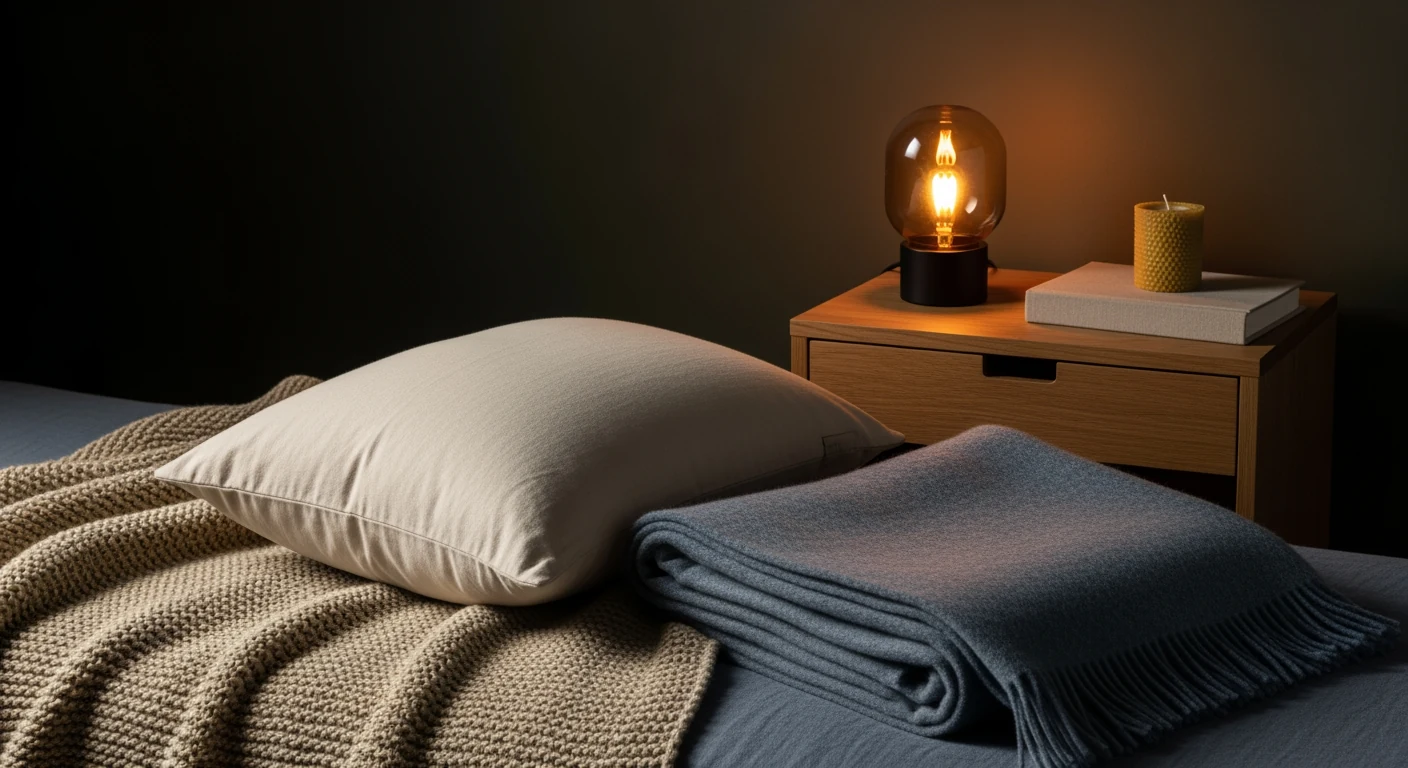
A christening keepsake the child still keeps at fourteen
A christening keepsake is the object the child still holds long past the photographs and the buffet. Here is what makes one heirloom — and four common gifts we would politely skip.
A christening keepsake is the object the child still keeps long after the church day, the buffet and the photographs — not a silver napkin ring on a high shelf. The honest test is the same as any heirloom keepsake: does it carry weight, will it survive twenty washes, does it have a name and a story, would the child be sad to lose it. Glowkin's emotional companions are made for this in Lancaster, UK from £34.99. Four common christening keepsake gifts in 2026 are gone within two years; three quieter ones earn their place for life.
What a christening keepsake actually is
A christening keepsake is a single object given on or near a christening or baptism — by a godparent, parent, grandparent or relative — meant to stay across childhood. Not the photograph of the day. Not the cake plate. The quiet object that travels home with the child and stays beside the bed. The BBC News piece on how christening has changed is honest about the shift: smaller services, fewer guests, more attention to the keepsake that survives the day.
A christening keepsake is, plainly, an heirloom-shaped gift given inside a ritual that already carries weight. The risk is that the gift becomes part of the staging — a silver-plated photo prop rather than an object the child keeps. A real keepsake earns its place in the second year, not the first weekend. Glowkin's plush companions cost £34.99 from Glowkin, finished in a small studio in Lancaster, UK. The form has to suit a baby who may be christened anywhere from six weeks to a year old: weighted enough to feel kept, soft enough to be held, with embroidered features that survive the church, the lunch and the second year. A bedtime ritual takes thirty to forty minutes once settled; the christening keepsake either becomes part of that ritual or never quite arrives.
The four-question test, applied at the church door
The same four-question test that picks a newborn keepsake works for a christening keepsake — the difference is that a godparent or relative is usually the giver, and the gift is being chosen to mark a ritual rather than a birth.
1. Does it carry weight?
Anything with mass survives. Plush at 350 to 500 grams, a hardback book, a brass-finished hangtag, a hand-knit blanket. Anything weightless gets lost between the church and the car.
2. Will it survive twenty washes?
The first year of life puts everything through twenty washes. Stitched, embroidered, wood-mounted — fine. Printed across the front, glittered, hot-glued — gone.
3. Does it have a name and a story?
A keepsake without a name is a gift; with one — Bear, the bear named after a great-grandmother, Blaze the dragon — it becomes a character the child grows into.
4. Would the child be sad to lose it?
If yes, you have a keepsake. If no, you have a card. The objects that earn a yes are usually weighted, simple and slightly too plain to photograph.

Four christening keepsake gifts we would skip
Most christening gift lists in 2026 still suggest the same four objects — and three of the four are decorative rather than kept. There is nothing wrong with any of them; just be honest about what they are.
The first is the silver-plated christening cup or napkin ring, often engraved with the date. Beautiful on the day, in a velvet-lined drawer for forty years afterwards. The second is the ornate first-Bible with gilt edges and a leatherette cover. Many families keep one; few children open it. The third is the silver-framed christening photograph — the photograph fades, the engraving plates the wrong moment, and the frame is in a different room within three years. None is wrong; they are just for the parents, not the child.
The fourth is the personalised christening teddy with the baby's full name and date stitched across the chest. The personalisation fixes the bear to the church day rather than to the child's life — exactly the trap a christening keepsake has to avoid. The keepsakes that last in our reader letters and in the Mumsnet thread on what families actually keep are the simple weighted ones — a single bear, a single book, a single blanket — given quietly with a one-line note rather than a public engraving.
What we would give instead
Three christening keepsakes survive into the teenage years. They are not extravagant. They are the boring, kept versions of the photogenic gifts.
A weighted plush companion at £34.99, hand-finished, with embroidered features and a name on the hangtag, is the centre of the trio. The Glowkin emotional companions are designed for this — 22 to 28cm seated, weighted lower body, OEKO-TEX brushed cotton, finishing built to last twenty washes. The Hearthstone at £59.99 is the quiet alternative to the silver-plated cup; it has a place beside the bed and gets switched on every evening. A Book at £16.99, hardback, with a single illustrated story rather than gilt-edged scripture, is the third piece. Together the trio costs around £110; one alone is enough. The same logic that picks a keepsake bear for any heirloom buy applies at a christening — heirloom not landfill, quiet not loud.
How a godparent gives one without overshooting
A godparent's gift is the one most likely to become a real christening keepsake — because it sits at one remove from the parents and is usually chosen with care. The trick is to give one quiet object with a written line, not three. Not a silver tea-set; not a leather-bound encyclopaedia; not a cashmere blanket and a teddy and a bracelet. One bear, one book, one note.
The note is what converts the gift into a keepsake. Two sentences on undyed linen card, folded and tucked inside the linen pouch: the date, the giver and a single wish. Kept with the keepsake, that note is what the godchild reads at fourteen — and at eighteen, and at twenty-five. Without it the keepsake is just an object; with it the keepsake becomes a small letter that survives the loft. The civil-records side of the day — the gov.uk guide to birth certificates — is the paper trail; the keepsake is the human one. The Glowkin lore page sets out the same restraint.
Frequently asked questions
How much should a godparent spend on a christening keepsake?
Between £30 and £80 for a single object the godchild keeps for life. Glowkin's plush companions sit at £34.99, the Hearthstone at £59.99 and the Book at £16.99. Below £15 the gift rarely passes the wash-and-weight test; above £80 the object is usually display-first and gets put behind glass.
Is the silver-plated cup tradition worth keeping?
Worth keeping if the family already has one to pass down. Worth giving fresh, only if the cup is something the child will actually use — a small cup the four-year-old drinks water from is a real keepsake; a sealed cabinet piece is a memento for the parents. Be honest about which one you are buying.
Should the keepsake match the formality of the church?
No. The keepsake has to outlast the church day; the formality belongs to the order of service, not to the gift on the bedside table. A weighted plush in muted slate-blue or warm cream is the right register for a christening keepsake regardless of how traditional the service is.
Can a non-religious naming ceremony use the same keepsake?
Yes — most of the gifts in this guide are not religious. A weighted bear, a hand-bound book and a hand-knit blanket are at home in a Quaker meeting house, a registry office naming day, a Hindu cradle ceremony or an English country churchyard. The ritual changes; the keepsake-grade test does not.
Should the godparents coordinate so we do not duplicate?
Yes — and most do. A single text between godparents in the four weeks before the day settles it. One gives the bear; one gives the book; one gives the linen blanket and the note. Each sits in a separate part of the keepsake's life.
How do we keep the gifts from getting lost in the buffet chaos?
Hand them quietly to the parents at the start of the day, in a single linen pouch each, before the photographs. Three quiet objects given before the church beat fifteen wrapped boxes opened on a tabletop afterwards. The keepsake's first impression is the moment it arrives.
Be first to hold one.
Glowkin's first run is small and waitlist-led. Join The Glowkin letter — one slow note a month — and be first to know when Blaze, Fira, Glint and Ash arrive.