Luxury newborn gifts past the cashmere blanket
Luxury newborn gifts past the cashmere blanket — what £100 to £300 actually buys when meaning is the brief, and why the kept gift is rarely the most expensive one in the box.
Luxury newborn gifts in 2026 typically run between £80 and £400, but the kept ones rarely sit at the top of that band. The Burberry baby coat retires within four weeks; the cashmere blanket gets washed once. The luxury gifts the family still photographs five years later are smaller, weighted, embroidered, and carry a story rather than a logo. Glowkin's [Blaze companion](https://glowkin.co.uk/shop/blaze/) sits at £34.99, but the logic of what makes it kept applies upward — meaning matters more than markup. Without weight and a name, even a £400 gift becomes another folded object in the loft within a year.
What "luxury" actually means in newborn gifting
Luxury, in the newborn category, is more often confused than understood. A luxury newborn gift is not a designer-branded object scaled to baby size; that is luxury laundered through a baby line. A luxury newborn gift is one whose materials, craft, and emotional intention are at the top of their category — and that distinction separates the kept gift from the retired one.
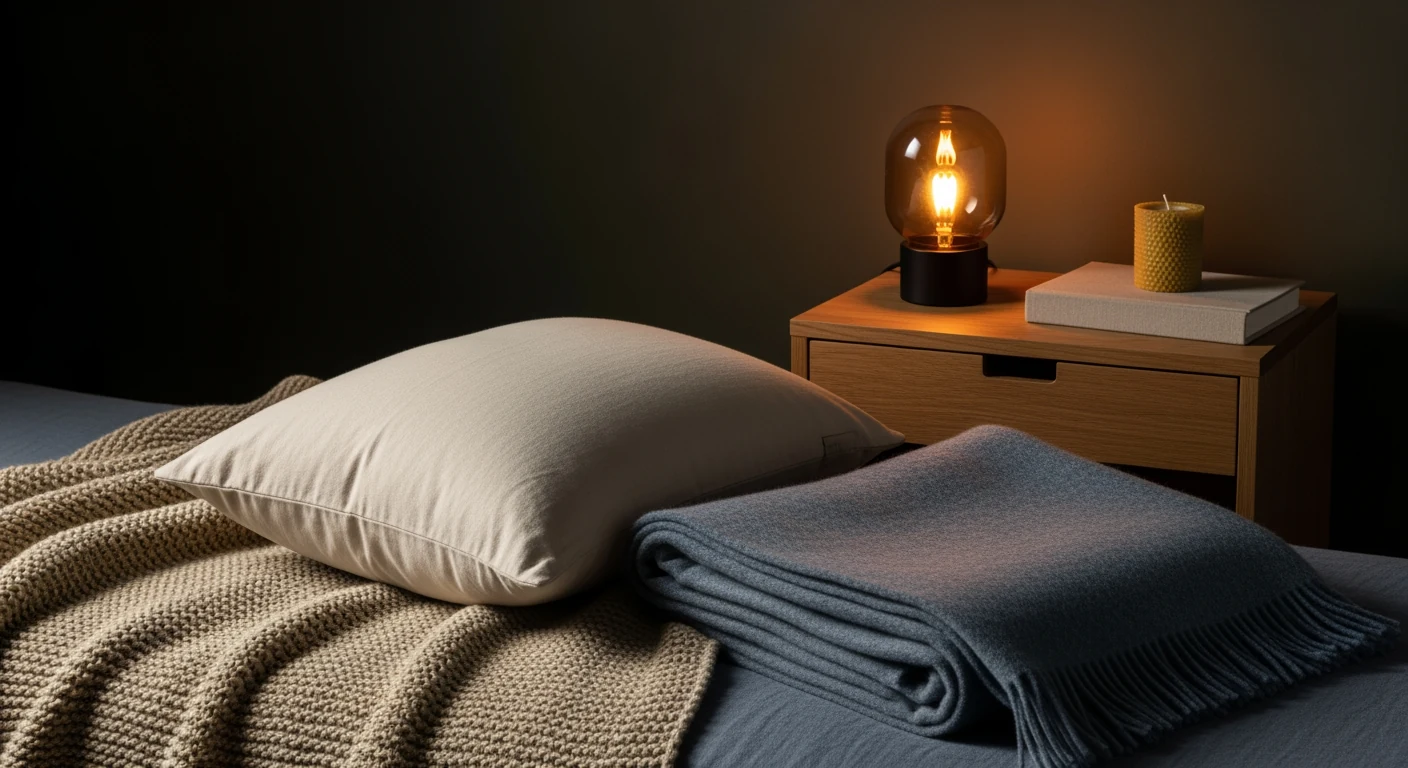
A genuinely luxury newborn gift in 2026 sits at the top of one of three craft categories rather than at the top of a brand hierarchy. Those categories are: hand-finished plush (£100-£200, two to four hours of studio time, embroidered features, weighted construction), hand-bound printed books (£40-£100, hardback, archival paper, atmospheric illustration), and small illuminated bedside objects (£60-£150, ceramic or hand-blown glass, ember-glow rather than LED). All three outlast logo-driven alternatives because the value is built into the construction rather than printed on the packaging. The UK product safety guidance for premium goods requires the same baseline regardless of price — it is craft above the legal floor that defines genuine luxury. Glowkin's Plush at £34.99 sits below the traditional luxury band but applies the same craft logic: weighted lower body, embroidered, OEKO-TEX certified.
Why the cashmere blanket is the most-asked, least-kept luxury gift
The cashmere baby blanket is the most-purchased luxury newborn gift in the UK in 2026 and the one most parents quietly retire within the first year. Wool dries hard after the first vomit; the second wash removes softness; the third makes it pill. Most blankets end the year in storage, gifted forward, or donated.
The cashmere problem is not the cashmere — it is the mismatch between fragility and use case. A newborn vomits, leaks, dribbles, sweats. A blanket the parent cannot machine wash with confidence stops being usable within weeks. A heirloom soft toy, by contrast, is built to be washed: 30-degree cycle, every two months for the first year, monthly thereafter. The toy is in active service for ten years; the cashmere blanket is in active service for six weeks. That is the heirloom-versus-luxury argument in one comparison. The AAP safe sleep guidance also makes loose blankets unsuitable for the cot during the first year — which compounds the problem because the gift cannot perform during the period the buyer hoped. A weighted, washable, story-led plush from our companion range does the opposite.
What £100 to £300 should actually buy
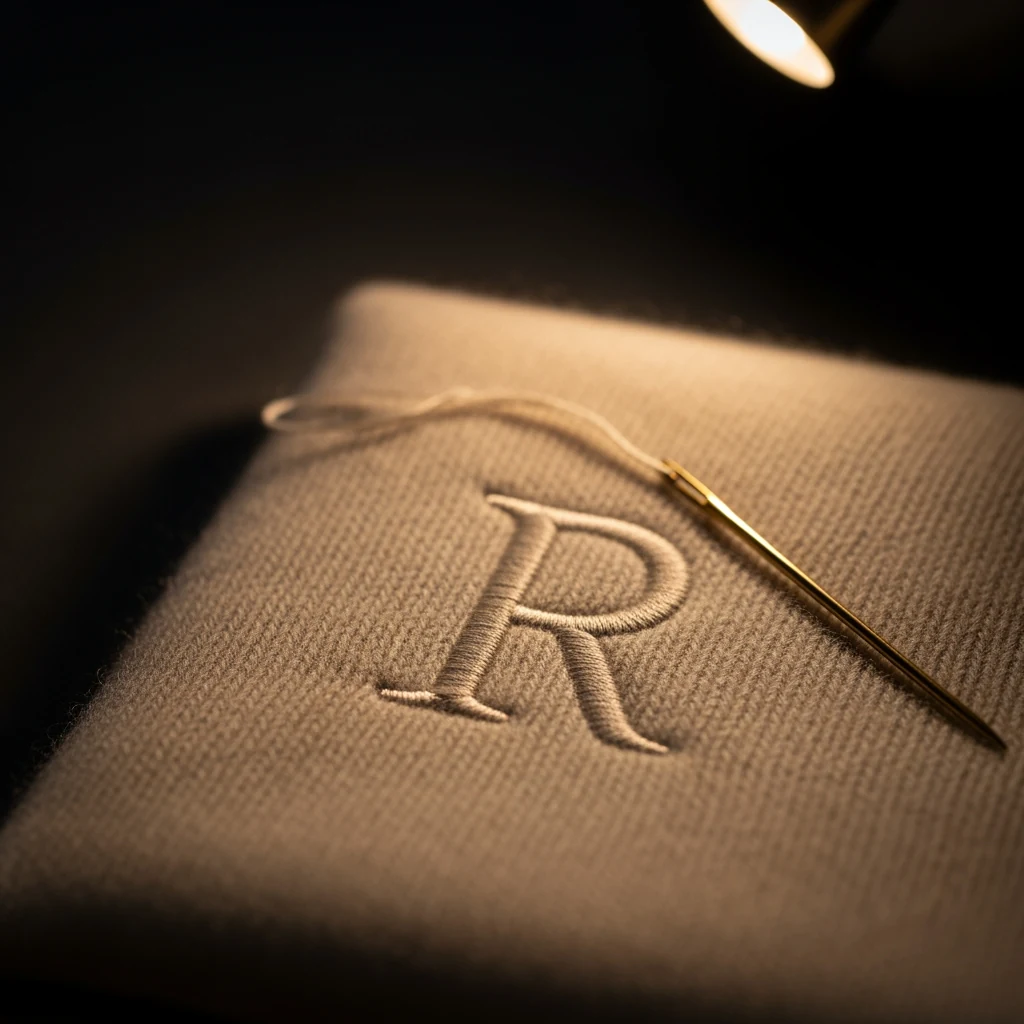
In the £100-£300 luxury band, the kept gifts cluster in three formats: hand-finished plush at the higher end of craft (£150-£250), bedside ceramics or hand-blown glass with an ember-light source (£100-£200), and printed-book sets — three or four hardback titles in a linen-wrapped slipcase (£100-£180). All three outlast logo-led alternatives by years.
Hand-finished plush at £150-£250 in 2026 buys roughly four to six studio-hours of careful work per piece, fully embroidered features, weighted construction in the 350-500 gram band, OEKO-TEX Standard 100 fabric, and presentation in a numbered keepsake box ready to give without further wrapping or extras. Bedside illuminated objects at £100-£200 buy hand-thrown ceramic or hand-blown glass, an ember-style warm glow rather than a clinical LED, and a small footprint that lives on the nightstand for years rather than seasons. Hardback book sets at £100-£180 buy archival paper, atmospheric illustration, and a linen-wrapped slipcase that signals permanence rather than season. Glowkin's heirloom-presentation Plush at £34.99 sits well below the traditional luxury band, alongside the Hearthstone at £59.99 and the hardback bedtime book at £16.99. The studio's design logic is that meaningful intention is what makes a gift kept, never the price tag alone.
Where logo-driven luxury fails the kept-gift test
Logo-driven luxury fails the kept-gift test in three ways: scale, washability, and meaning. The branded coat outgrows the baby in four weeks. The branded blanket fails the second wash. The monogrammed silver cup is photographed once and stored. None of those carries forward into the long photograph album the way an unbranded, weighted, story-led object does.
The BBC Tiny Happy People newborn play guide is unambiguous about what babies engage with in the first three months: high-contrast objects, soft sound, the parent's face, the parent's voice. None of those interact with logo design — they interact with material quality, weight, and tactile feedback. Logo-led luxury is therefore optimised for the gift-giver's social proof rather than the child's experience and attachment. The kept-gift test is whether the child reaches for the object voluntarily at fifteen months, two years, four years and beyond. Hand-finished plush passes that test reliably; logo-led equivalents almost never do. The buyer choosing in the £100-£300 band is best served by deprioritising the visible brand and prioritising the construction signals: hand-finished seams, embroidered features, weighted body, OEKO-TEX certification, and presentation that communicates permanence.
How to choose a luxury newborn gift that becomes the kept one
The kept luxury gift is almost always the smaller one. Three rules separate the £200 gift the family still has at five from the £200 gift retired by month four: choose for the third house move; construction over collection; meaning over markup.
For the third house move, choose objects with a small footprint — under 30cm seated for plush, under 20cm tall for bedside lamps, under five hardback volumes for book sets. For construction over collection, look for visible hand-stitching, embroidered (not glued) features, and OEKO-TEX certification. For meaning over markup, ask: does this object have a story the family can repeat at bedtime, or just a brand the family names at the school gate. The answer separates the heirloom from the showpiece reliably across the £80-£400 band. Compare the same logic against the thoughtful-gift band of newborn gifts at £30-£60, and the difference is one of price ceiling rather than craft. Glowkin sits in the meaningful-gift band by deliberate choice — the Lore page explains why we made the £34.99 Plush rather than the £150 one.
Frequently asked questions
What counts as a luxury newborn gift in 2026?
A luxury newborn gift in the UK in 2026 typically costs between £80 and £400 and sits at the top of one of three craft categories: hand-finished plush, hand-bound book sets, or hand-finished bedside objects. The threshold is not the brand but the craft — a £200 mass cashmere blanket is less luxury than a £180 hand-finished plush from a small studio. The kept gifts are usually smaller, weighted, embroidered, and carry a story rather than a logo.
Are luxury newborn gifts worth it?
Sometimes. A luxury gift is worth it when construction matches price — hand-finished, embroidered, weighted, washable. It is rarely worth it when the price is paying for the brand label rather than studio time. The most-kept luxury gifts cost between £100 and £250 and survive a decade of use; the least-kept cost above £200 and survive less than a year. Buyers are best served by asking what studio time per piece is, rather than what brand the object carries.
What is the most popular luxury newborn gift?
The cashmere baby blanket is the most-purchased luxury newborn gift in the UK and the most-quietly-retired. Branded baby clothes (Burberry, Marie Chantal, Bonpoint) follow closely. Both are fragile, both outgrow the baby quickly, and both are optimised for the gift-giver rather than the child. The most-kept luxury gifts tend to be smaller, less brand-visible objects: hand-finished plush, hand-bound books, hand-thrown ceramic lamps. Buyers asking "what is most popular" are often best served by asking "what is most kept".
Can a £35 plush be a luxury newborn gift?
In construction terms, yes. Glowkin's £34.99 Plush is fully embroidered, weighted, OEKO-TEX certified, hand-finished in Lancaster, and presented in a numbered linen-wrapped box. The price reflects the studio's choice to keep the meaningful-gift band accessible rather than push into the luxury price ceiling. The construction logic is identical to a £150 hand-finished alternative; the difference is the price ceiling, not the craft. Pricing canon: Plush £34.99, Hearthstone £59.99, book £16.99.
Is luxury or meaningful the better gift framing?
Meaningful, almost always. The framing changes the buyer's filter at the till. Asked to choose a luxury gift, buyers reach for the visible brand. Asked to choose a meaningful gift, they reach for the hand-finished object. The same £150 budget produces different outcomes depending on framing. Aunts, godparents and grandparents tend to remember the meaningful framing twelve to fifteen years later when the child still holds the gift; the luxury framing rarely survives.
Be first to hold one.
Glowkin's first run is small and waitlist-led. Join The Glowkin letter — one slow note a month — and be first to know when Blaze, Fira, Glint and Ash arrive.