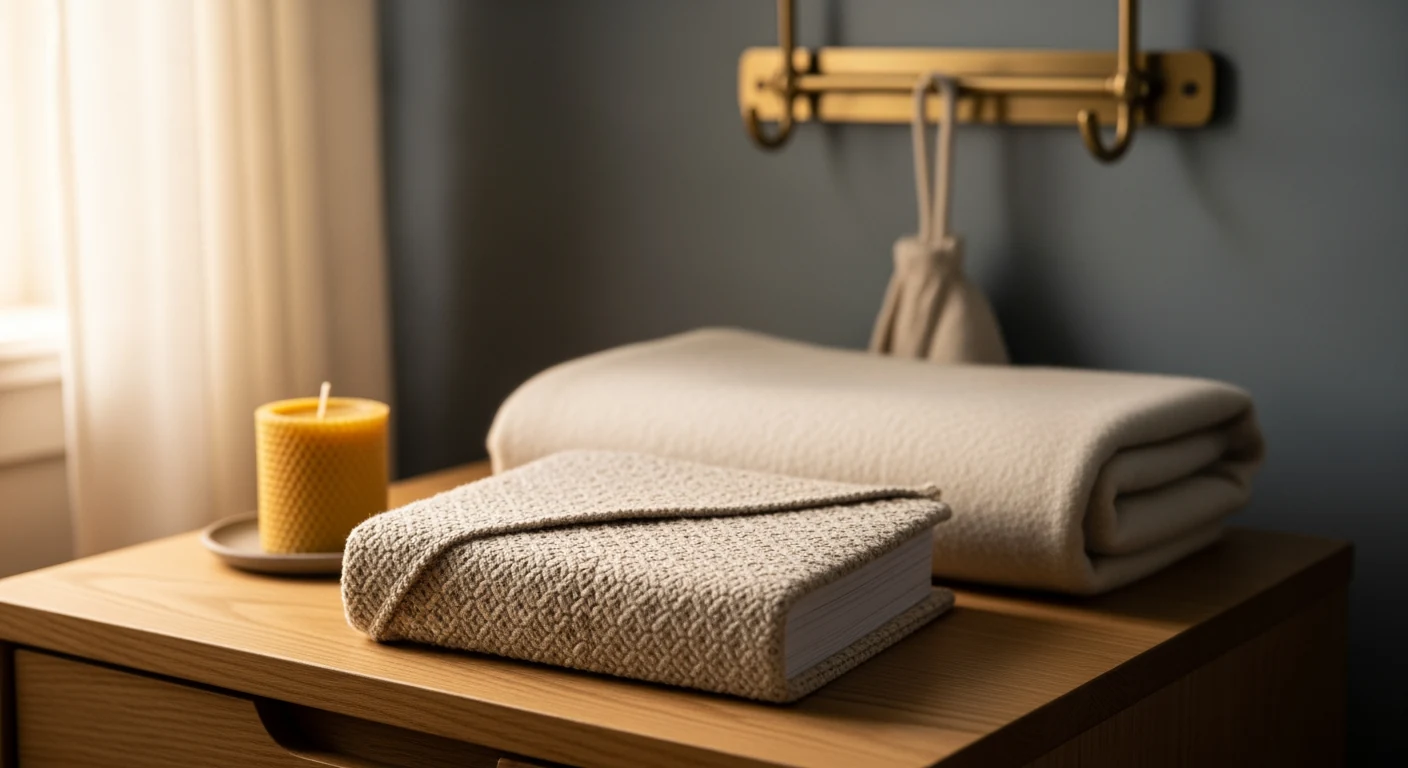
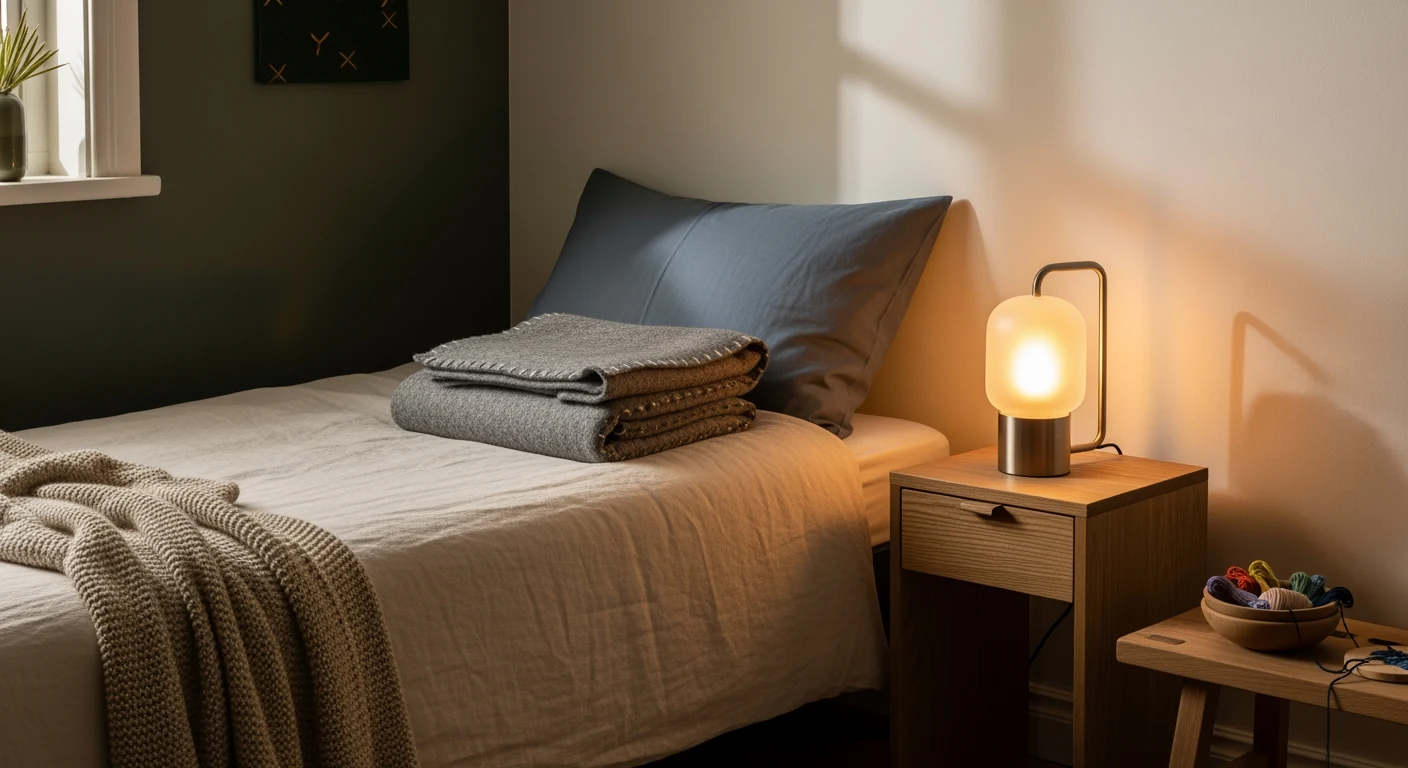
An anxiety teddy that quietly does the work of co-regulating
An anxiety teddy is not a medical tool. It is a quiet, weighted, scent-neutral companion a child reaches for at 11pm — and what makes one work, or not, is mostly about restraint.
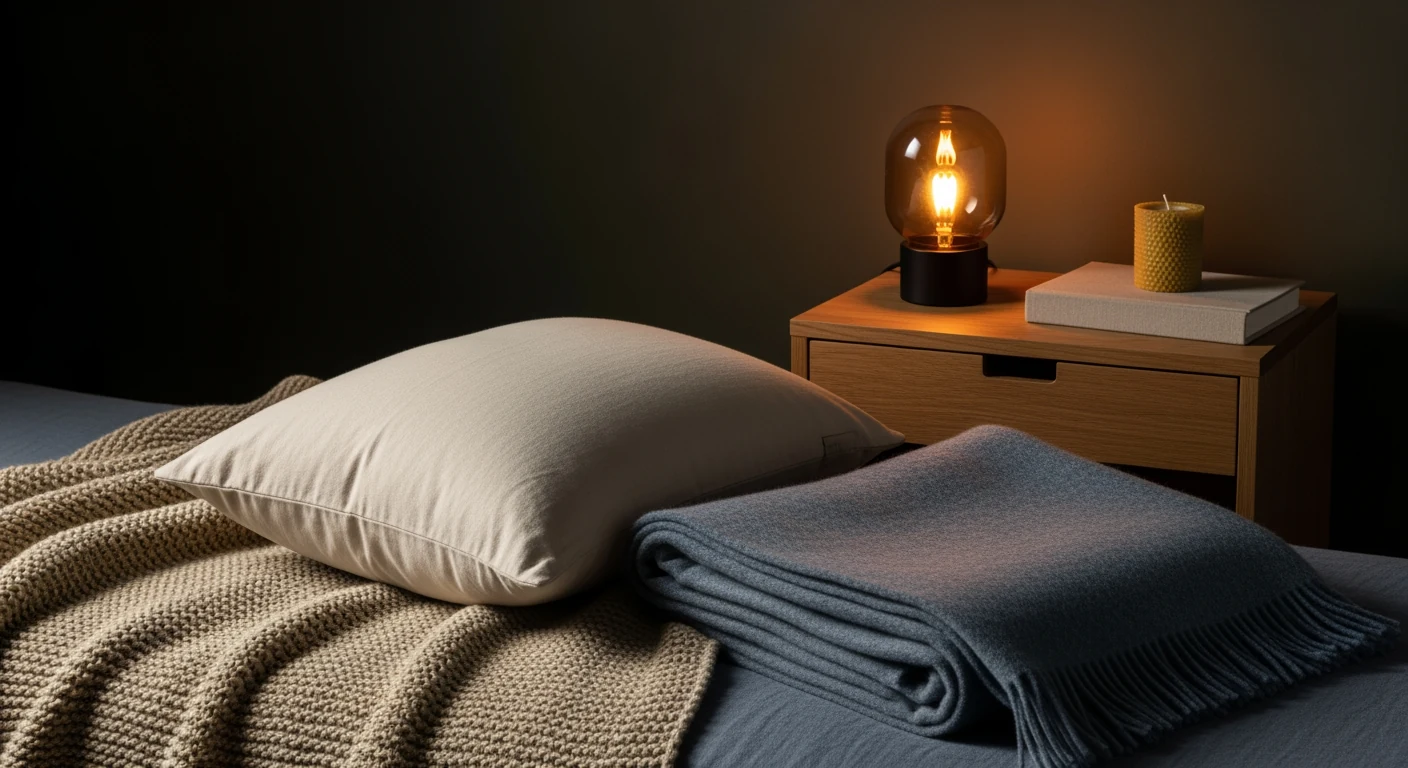
An anxiety teddy is a comfort plush — weighted, quiet and scent-neutral — that a child holds during the small-hours overwhelm of separation, big feelings or a tense bedtime. It is not a medical device and it does not treat anxiety. Done well, it sits between 350 and 500 grams, has no flashing lights and no fragrance, and earns a name within a week. Glowkin's Blaze is one example: 22–28cm seated, weighted lower body, hand-finished in Lancaster, £34.99. Without weight in the lower body, an anxiety teddy stops being carried within four to six weeks of nightly use, and the bedtime ritual unravels with it.
What an anxiety teddy actually is
An anxiety teddy is a comfort plush a child reaches for during emotional overwhelm — not a clinical tool, not a sleep aid, not a substitute for parent or professional support. It supports co-regulation by being soft, warm and consistent. The NHS guidance on anxiety in children sets out when worry is normal and when it warrants a GP visit; an anxiety teddy sits well below that line.
The honest definition matters because the category is crowded. An anxiety teddy is a comfort object engineered for restraint, rooted in the long tradition of transitional companions Winnicott described in 1953. Without weight or scent neutrality, a comfort plush stops working within a week — the child stops carrying it because nothing in the design rewards return. A good anxiety teddy is, plainly, a familiar shape with steady warmth that a small hand can find at 11pm without thinking. Glowkin's Blaze costs £34.99 from Glowkin and ships in muted gift packaging from Lancaster, UK. Parents must keep the language honest for the trust to last: this is comfort, not cure. A bedtime ritual takes thirty to forty minutes once it is settled, and the teddy is one quiet piece of it. That restraint is the whole point.
Why parents look for one in the first place
Most parents do not start out shopping for an anxiety teddy. They start out googling at 11pm because something has shifted — a new nursery, a hospital stay, a sibling, a move. The Cleveland Clinic's note on anxiety in children describes how persistent worry shows up as bedtime resistance, somatic complaints and big feelings about small things. The plush comes after the worry, not before.
The pattern across our reader letters is consistent. A child who used to fall asleep without fuss is suddenly asking for the bedroom door open and the landing light on. Parents have already tried the obvious things — earlier bath, fewer screens, longer story — and they want one quiet object that holds the room steady when they leave it. That is what an anxiety teddy is for. It is not a replacement for the parent on the other side of the door. It is a stand-in for the warmth of the parent's body, weighted at 350 to 500 grams so a five-year-old's chest registers it the way a small dog feels in a lap. The weight is the part that does the work. Without it, the toy is decorative. With it, the toy becomes a familiar pressure the child reaches for without language. That is the difference between a plush that lasts a week and one that earns a name and a place on the shelf for a decade.
The four things that make one work
A working anxiety teddy needs four things, in this order: weight, fabric, scent neutrality, and a story. Skip any one and the object becomes ornamental. The four together are what separate a comfort plush from a stuffed animal that ends up in the donation bag by half-term.
Weight (350–500g)
Below 350 grams the calming effect disappears. Above 500 grams the child stops carrying it. Glowkin's plush companions sit at roughly 400 grams in the lower body — a deliberate sweet spot that lets a small child carry the weight up the stairs without help.
Fabric
OEKO-TEX-tested wool-felt and brushed cotton over hypoallergenic fill. Skin-safe, machine-washable on gentle, holds shape after twenty washes. Synthetic plush feels fine in the shop and pills within a fortnight.
Scent neutrality
No fragrance, no lavender impregnation, no scented filler. A child's body adds scent over weeks — sweat, washing powder, the parent's perfume rubbed off a jumper — and that is the smell the teddy needs to carry. Pre-scented teddies overwrite this.
A story
The plush needs a name and a one-page myth. Without a story it remains generic; with one it becomes the dragon called Blaze who keeps the dark warm.
How an anxiety teddy is different from other comfort objects
A well-loved muslin square does most of the same work — and a thumb does some of it. The difference is that an anxiety teddy gives a child a face and a posture to address. The BBC Tiny Happy People guide to a calmer bedtime routine sets out the structural pieces; the plush is the warm object inside that structure.
A muslin or a thumb is portable but featureless. A weighted blanket is heavy but not portable. An anxiety teddy sits between the two: light enough to carry to nursery, heavy enough to register on a small chest, with a face the child can talk to. That last detail is more important than it looks. By the age of three or four, a child is rehearsing language for feelings, and a plush gives them somewhere safe to direct the rehearsal. Saying "Blaze is scared of the bath" is the first version of saying "I am scared of the bath," and both are progress. Glowkin's plush range carries the four Dragonkin archetypes — courage, wonder, resilience and joy — so the choice of name carries a small cue about what the child is working on. Parents must keep the cue light. The companion does the work; the parent does not need to narrate it. The child decides whether Blaze is the brave one or the scared one tonight, and either is correct.
Choosing one for 2026 — what to look for, what to skip
The market for anxiety teddies in 2026 is wider than it was three years ago. Most of the new entrants are mass-plush brands with a weighted variant; a smaller number are studio-made companions in the £30–£60 band. The differences are real and the price gap is honest.
| Tier | Typical price | What you get |
|---|---|---|
| Mass plush (weighted variant) | £9–£20 | Polyester fill, glass beads, no story, replaces every 12 months |
| Premium emotional companion | £29–£45 | OEKO-TEX fabric, weighted lower body, named character, two-year softness |
| Heirloom studio piece | £80+ | Hand-stitched, numbered, gift-presentation, often display-first |
Glowkin sits in the middle tier at £34.99 — the Blaze companion is the slate-blue dragon, with weighted lower body, embroidered courage rune and matte ivory hangtag. The pricing reflects what hand-finishing in Lancaster, UK actually costs once you stop cutting fabric corners. Parents shopping at the £9 end usually replace within a year because the seams give. Parents at the £80+ end often end up with display objects the child is afraid to scuff. The middle is the lane where the plush is precious enough to feel kept, and battered enough to be carried. The four things to skip in any tier: lavender impregnation, internal speakers, plastic eyes, and any product copy that uses the word "treats." Honest copy says "supports" and "calms." That is the language the Royal College of Paediatrics and Child Health state of child health report uses too — and the language Glowkin keeps to.
Frequently asked questions
Does an anxiety teddy actually help?
It can — under specific conditions, and never on its own. A weighted, scent-neutral plush gives a child a familiar pressure and a face to address during overwhelm, which supports co-regulation. It does not treat anxiety, replace a parent, or substitute for professional support if worry is persistent. The honest claim is that an anxiety teddy is one quiet piece of a longer ritual that includes the parent's voice, a calmer bedroom, and predictability. If a child's anxiety lasts more than a few weeks or interferes with daily life, the NHS advises seeing a GP. The teddy supports the structure; it does not build it.
What weight should an anxiety teddy be?
Between 350 and 500 grams for a child aged three to ten, concentrated in the lower body so it sits in a lap or against a chest. Below 350 grams the deep-pressure effect disappears. Above 500 grams a small child cannot carry it upstairs without help, so it stays downstairs and breaks the bedtime link. Glowkin's emotional companion range sits at roughly 400 grams. Adult-sized weighted animals at 1.5–2.5kg are a different product altogether — designed for sensory regulation in older teens and adults, never for children under ten.
Can my child take an anxiety teddy to nursery or school?
Many can, and many should — for the first term at least. A familiar plush in a school bag eases the transition the NHS separation-anxiety guidance describes. Most UK nurseries allow a small comfort object in a named bag; primary schools vary. The honest middle ground is a plush small enough to fit in a coat pocket or a book bag, and a habit of leaving it in the bag during the school day. Pulling it out only at drop-off and pick-up keeps the object special and stops it from getting lost on a playground.
Is an anxiety teddy the same as an emotional support animal?
No. An emotional support animal — and, by extension, the small subculture of "emotional support plushies" — is a specific term that in some jurisdictions carries clinical and legal weight. An anxiety teddy is a comfort companion, full stop. It does not need a prescription. It does not give a child airline access or housing rights. The honest framing is the one we use at Glowkin: this is an emotional companion for the gentlest part of the day. Anything stronger than that crosses into clinical territory, which is regulated for a reason.
How long does an anxiety teddy last?
A premium one made well — two to ten years of daily use, then another decade as a kept object on a shelf. The seams matter, the fabric matters, and the wash cycle matters. Glowkin plush is built for fifteen years of soft handling: stitched twice at stress points, machine-washable on gentle, with replaceable hangtags. The cheaper the plush, the shorter the life. A £9 weighted teddy lasts a year; a £34.99 hand-finished one outlasts the childhood that begins with it.
What about the dark, the lights and the noise?
Keep all three quiet. A low warm bedside lamp, no flashing belly, no music. The plush should add nothing that a parent cannot leave running for forty minutes. If a child wants more atmosphere, a single warm-glow Hearthstone (£59.99) gives the room a steady amber light without speakers or projection. The point of the whole setup is that the child can find the teddy in the dark without help. Anything that beeps, flashes or talks breaks that link.
Be first to hold one.
Glowkin's first run is small and waitlist-led. Join The Glowkin letter — one slow note a month — and be first to know when Blaze, Fira, Glint and Ash arrive.