What makes a newborn keepsake actually worth keeping
A newborn keepsake is the object that earns a name in the first month and a place on the shelf at fourteen. Here is the quiet selection-test, and the four common gifts we would skip.
A newborn keepsake is the object a child still wants on the shelf at fourteen — not the photo prop on the changing-table at four weeks. The honest test is four questions: does it carry weight, will it survive twenty washes, does it have a name and a story, and would the child be sad to lose it. Glowkin's plush companions are made for that test in Lancaster, UK from £34.99. Most newborn keepsake gifts in 2026 fail one of the four within a year.
What a newborn keepsake actually is
A newborn keepsake is a single object given in the first weeks of life meant to stay — past nursery, past primary, past the move into a teenager's bedroom. It is not a hamper. It is not a bouquet of socks. The NHS guidance on bonding with your baby makes the practical case for a single familiar object across feeds and naps; the keepsake version is that same object, kept.
A newborn keepsake is, plainly, a future-tense gift — given to the child the baby is becoming, rooted in the European tradition of Christening teddy and cradle objects. The keepsake earns its place by surviving the first year intact: the spit-up, the gentle wash cycle, the cot-to-toddler-bed move and the day a sibling arrives and steals it. Without weight, a name and finishing that holds, a newborn keepsake becomes another soft object in the loft within four months. Glowkin's emotional companions cost £34.99 from Glowkin, made slowly in a small Lancaster, UK studio. The object should feel kept, not displayed; carried, not staged; loved, not maintained. A bedtime ritual takes thirty to forty minutes once settled, and the keepsake sits at the centre.
The four-question test we use
A real newborn keepsake passes four questions. Skip any one and the gift is generous but ornamental — a thing the baby outgrows before the thank-you cards are written.
1. Does it carry weight?
A keepsake that weighs nothing gets lost. Plush at 350 to 500 grams, a hardback book, a brass-finished hangtag — anything with mass survives the cot-to-bedside-shelf-to-school-bag journey. A newborn teddy bear at 80 grams disappears into a pram pocket and is never found again.
2. Will it survive twenty washes?
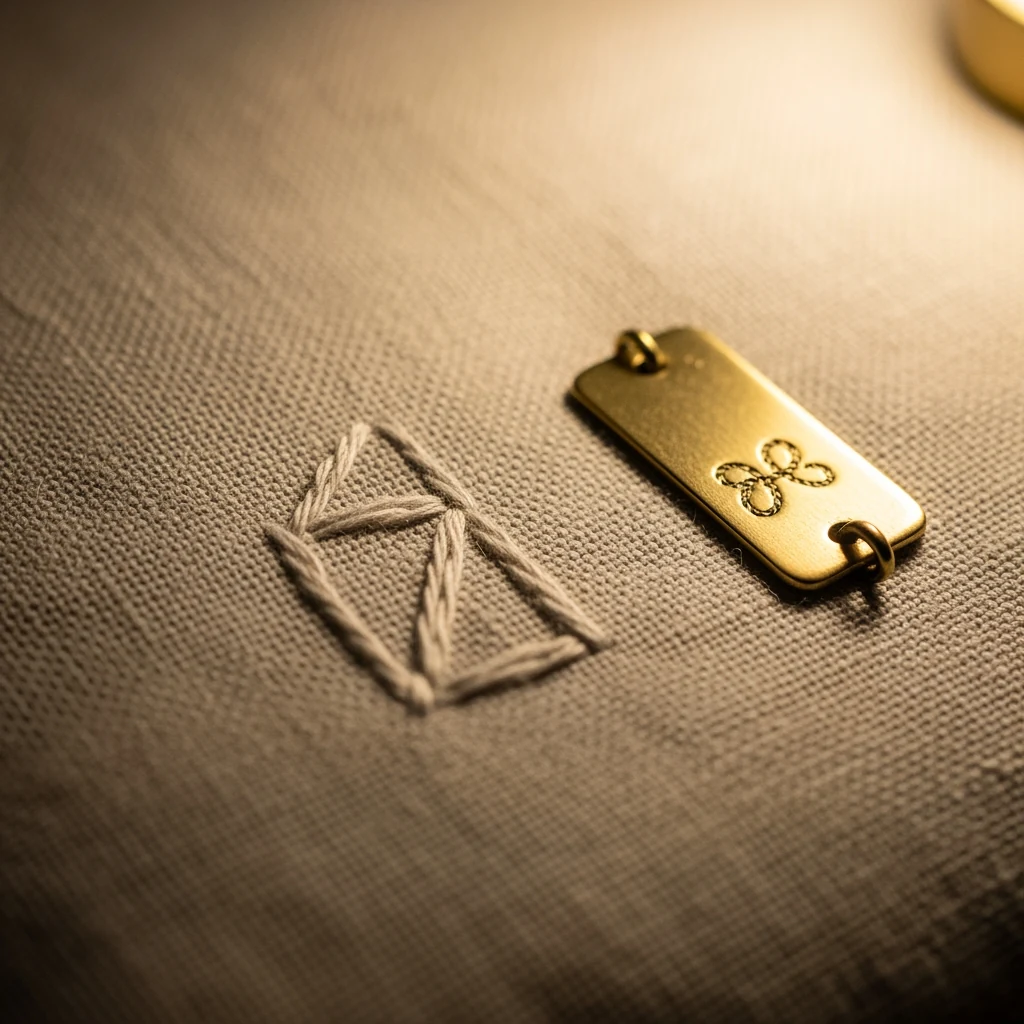
Anything stitched, embroidered or wood-mounted can. Anything printed, glittered or hot-glued cannot. The keepsake is washed at least twenty times in the first eighteen months. The fabric needs to hold colour and shape; the seams need to hold the fill.
3. Does it have a name and a story?
Without a name a keepsake is a thing. With one — Blaze, Fira, the bear named for a great-grandmother — it is a character. The name is what a four-year-old reaches for in the dark; the story is what a fourteen-year-old explains when they bring it out of the cupboard.
4. Would the child be sad to lose it?
This is the only test that matters in the long run. If the answer is no by the second birthday, the gift was a card, not a keepsake. The objects that earn a yes are usually quiet, weighted and slightly too plain to photograph.
What we would skip
Four common newborn-keepsake gifts in 2026 fail at least two questions above. They have their place — but not as the object you give to be kept.
Footprint kits in clay or salt dough fail on weight and storage; precious for a fortnight, chipped by month nine. Printed milestone cards fade and curl. Personalised plush with the baby's name across the chest is gone within a year because the name fixes the object to one moment, not a life. Ornate first-Christmas baubles survive in a decoration box but never become the thing a child reaches for. There is nothing wrong with any of these gifts; just be honest about what they are. None is the object the eight-year-old still keeps above the bed. A real keepsake is the boring-looking weighted bear on the bedside table that has been there every night since the baby came home. The BBC Tiny Happy People guide to soft toys is unsentimental: companions earn their place through repetition, not novelty.
What a real keepsake looks like in practice
The real keepsakes in our reader letters are mostly three things: a single weighted plush, a single book and one piece of cloth — usually a knitted blanket from a grandparent the child took to school in year four because it still smelled of the right house. That is the shape of the Mumsnet thread on what parents actually keep too — the plush companion, the first storybook and one piece of warmth.
Glowkin's range is built around two of those three. The emotional companion plush at £34.99 — 22 to 28cm seated, weighted lower body, embroidered features, hand-finished — is designed to hold up through twenty washes and twelve school terms. The Hearthstone at £59.99 sits beside it when the room needs a steady amber glow. The Book at £16.99, hardback, is the third piece when a parent wants the ritual readable. Each piece passes the four-question test. The Glowkin lore page sets out why Heirloom not landfill is the first of three rules we do not break.
How to give one without making a thing of it
The kindest way to give a newborn keepsake is quietly. A linen pouch on the changing table the day parents come home from hospital. A small handwritten card. No social-media post; no bow the size of the baby's head. The object is being given to a person who does not exist yet — the eight-year-old who will pick it up out of habit one night and not remember when it arrived.
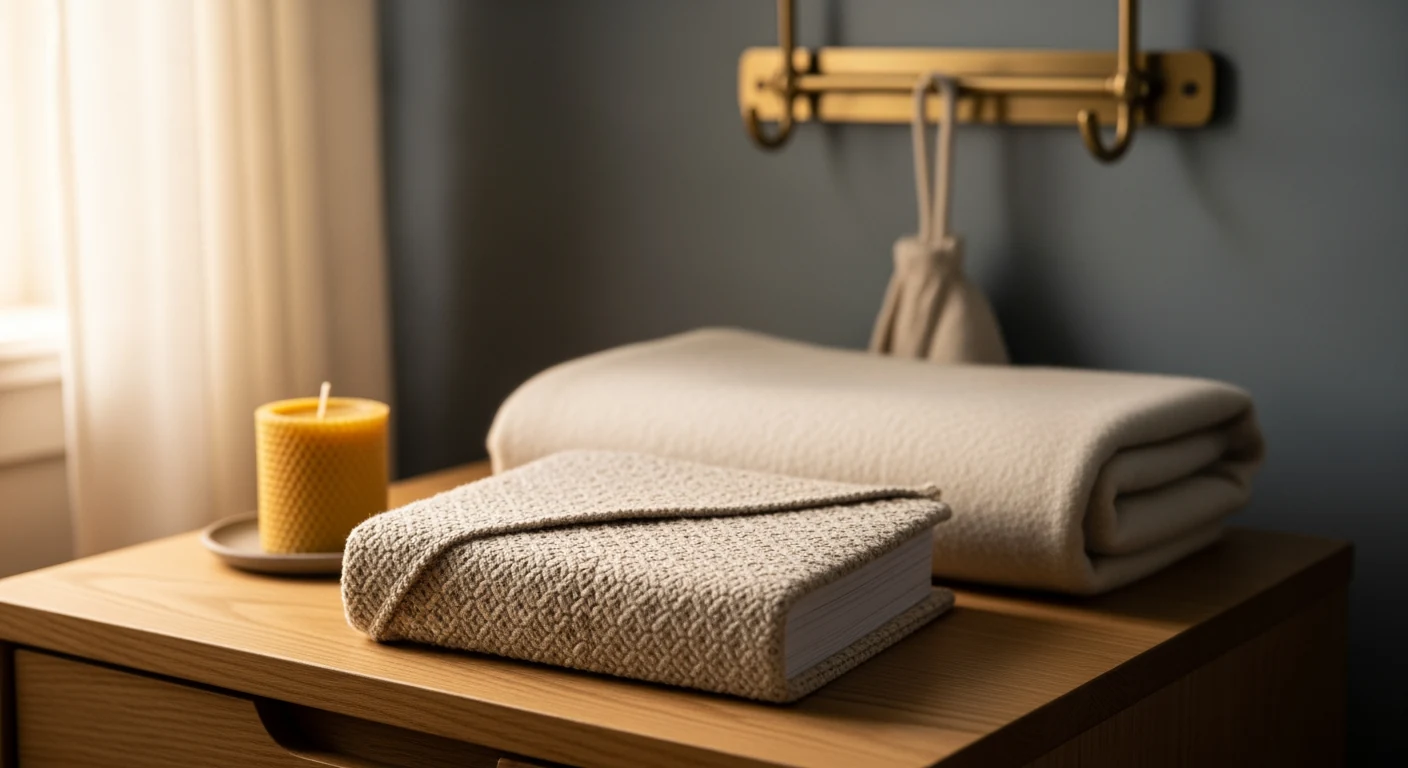
Keep the unwrapping small. Kraft paper, undyed cotton ribbon, one line of ink. We pack ours in linen pouches from our small Lancaster studio for exactly that reason. The trick, if the buyer wants the gift remembered, is to write two sentences for the parents to keep with it — the date, the giver and a single wish. Folded into the keepsake, that note is what the child reads at fourteen. Without it the object is just an object; with it the keepsake becomes a small letter that survives the loft.
Frequently asked questions
How soon after birth should I give a newborn keepsake?
In the first month, then leave it alone. Parents are still arranging the cot-side and a single quiet object slots in without ceremony. After three months the room is full. The exception is sibling-to-sibling — a plush a four-year-old chooses for the new baby is welcome any time in the first year because the giver is the story.
Is a soft toy actually a keepsake or just another teddy?
It can be either; the four-question test tells you which. A weighted plush at 350 to 500 grams, hand-finished, with a name and a story, in fabric that survives twenty washes, is a keepsake — the same logic we apply when we pick a keepsake bear for the long term. A polyester newborn teddy bear at 80 grams, printed face, no name, is a one-year object. Only one is on the shelf at fourteen.
What about personalised newborn keepsakes?
Personalisation is fine if it is restrained — an initial, a date stitched into a hem, a line on the inside cover of a book. Personalisation across the chest of a plush, or in twelve-point text on a frame, fixes the object to a moment. The keepsakes that last carry their personalisation quietly, often invisible until you look for it.
Do grandparents get the keepsake right more often than parents?
Sometimes — because the gift sits at one remove. A grandparent giving a blanket they knitted, an aunt passing on a bear from her own childhood, a godparent buying one weighted plush — these earn their place because the giver and the object are the same story. One careful relative's gift usually outlasts the lot.
What does a good newborn keepsake cost in 2026?
Between £25 and £80 for a single object that earns a place on the shelf for a decade. Glowkin's plush companions sit at £34.99, the Hearthstone at £59.99, the Book at £16.99 — all finished in Lancaster. Anything under £15 rarely passes the wash-and-weight test; anything over £80 is usually display-first.
Where should the keepsake live in the first year?
Bedside, not display shelf. The whole point is that the baby, and then the child, reaches for it without thinking. A glass cabinet turns the keepsake into a museum piece and breaks the link. Once the child is older the object can move — but only after it has been carried, slept-on and washed enough times to belong to them.
Be first to hold one.
Glowkin's first run is small and waitlist-led. Join The Glowkin letter — one slow note a month — and be first to know when Blaze, Fira, Glint and Ash arrive.