What is a good bedtime ritual? The four-step blueprint
A good bedtime ritual is short, repeatable, and quiet. Four steps, thirty to forty minutes, in the same order every night — what paediatric sleep guidance recommends and the cues that anchor it.
A good bedtime ritual is short, repeatable, and quiet. It runs in four steps over thirty to forty minutes, in the same order every night: tidy-up, wash, low light with a book and named plush, then sleep. Each step lasts five to fifteen minutes and ends with a clear cue. Sleep Foundation guidance and paediatric sleep specialists agree the ritual works through repetition, not novelty. A Glowkin Tales storybook costs £16.99 and is built specifically as the anchor for step three. Without a consistent order, the body never learns to settle on cue.
What does paediatric sleep guidance say a bedtime ritual is?
A bedtime ritual is a short, repeatable sequence of calming activities a child does in the same order every night before sleep. Sleep Foundation's research on bedtime routines defines it as a predictable wind-down that lowers physiological arousal — the body learns to associate the sequence with sleep, and the brain releases sleep-related hormones earlier as the routine progresses.
A ritual is not a routine in the loose sense. A routine is anything you happen to do most nights. A ritual is structured: fixed order, fixed cues, fixed objects. The body reads the sequence, not just the activities. A child who brushes teeth, then plays for ten minutes, then has a story has not completed a bedtime ritual — the play has reset the wind-down. A ritual takes thirty to forty minutes once settled. Cleveland Clinic's guidance on bedtime routines recommends starting at the same clock time every night.
What are the four steps of a good bedtime ritual?
Step one: tidy-up (five minutes). A short, child-led tidying of the day's toys. The point is not the tidiness — it is the boundary between day and evening.
Step two: bath or wash (ten to fifteen minutes). Warm water, low overhead light, familiar soap. The drop in core body temperature after a warm bath is one of the strongest physiological sleep cues children have. If a full bath isn't practical, a face-and-hands wash with the same flannel does most of the work.
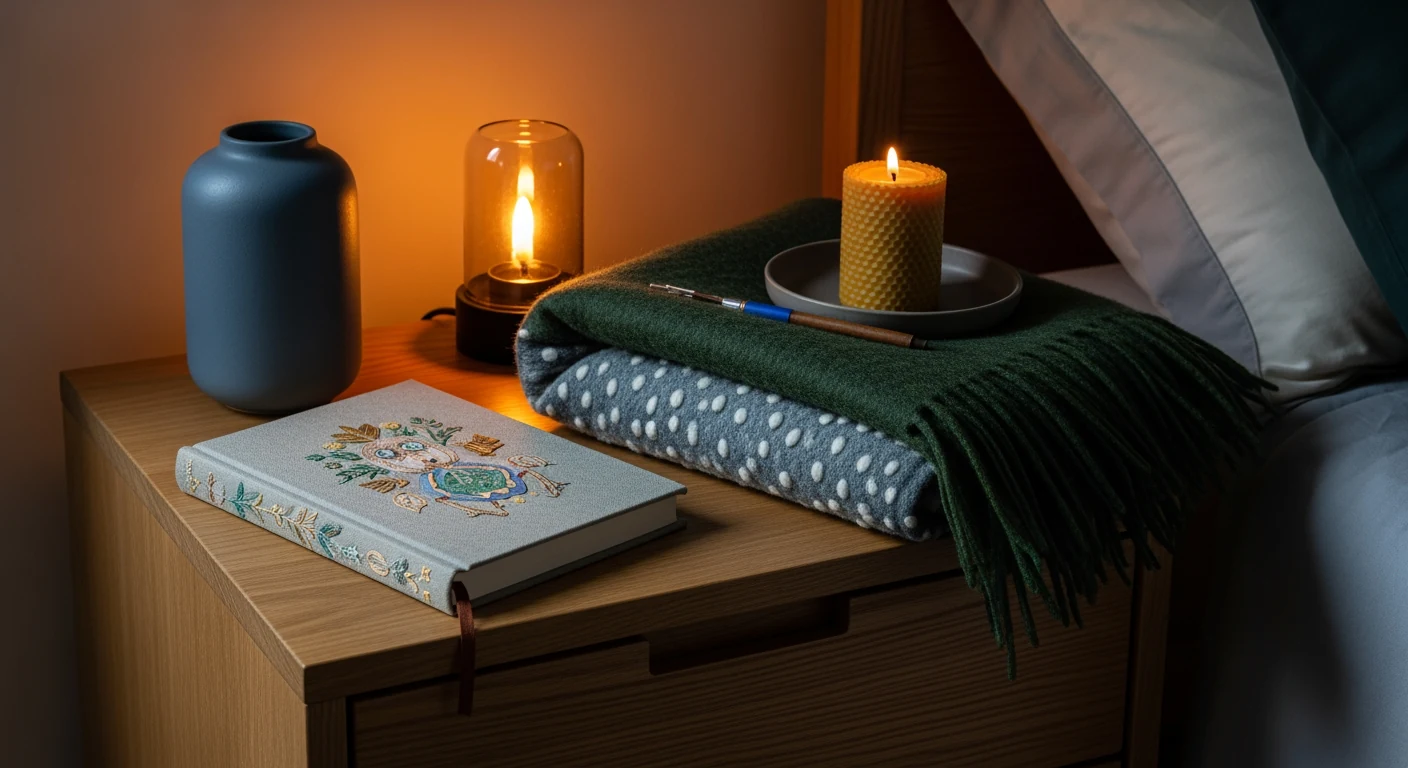
Step three: book and plush in low light (ten to fifteen minutes). The emotional anchor. Sit on the bed, lamp on, overhead off. One short book. The named plush is in place from the start — not introduced last. A Glowkin Tales storybook is built for this step at fifteen pages, hardback, £16.99.
Step four: sleep cue and door (two to three minutes). A consistent phrase from the parent — same words every night — lamp off, door closed or ajar to a fixed position. The plush stays. Total: thirty to forty minutes.

Why does the order of the steps matter so much?
Because the body is reading the sequence, not the individual activities. Each step lowers arousal a fraction further than the last. Tidy-up signals the day is closing. The bath drops body temperature. The book in low light slows the heart rate. The sleep cue marks the transition. If you put bath last, or play in the middle, the body cannot follow the curve.
The order also makes the ritual portable. A child who knows the sequence can handle a different bedroom — grandparents' for the weekend, holiday — provided the same four steps happen in the same order. The objects can change. The order cannot. Sleep Foundation's research on sleep strategies notes ritual portability is one of the strongest predictors of children sleeping well outside their own bed. That is the practical case for a named plush companion — the one constant object across the four steps, the visible spine of a ritual that otherwise lives only in memory.
What objects belong in a child's bedtime ritual?
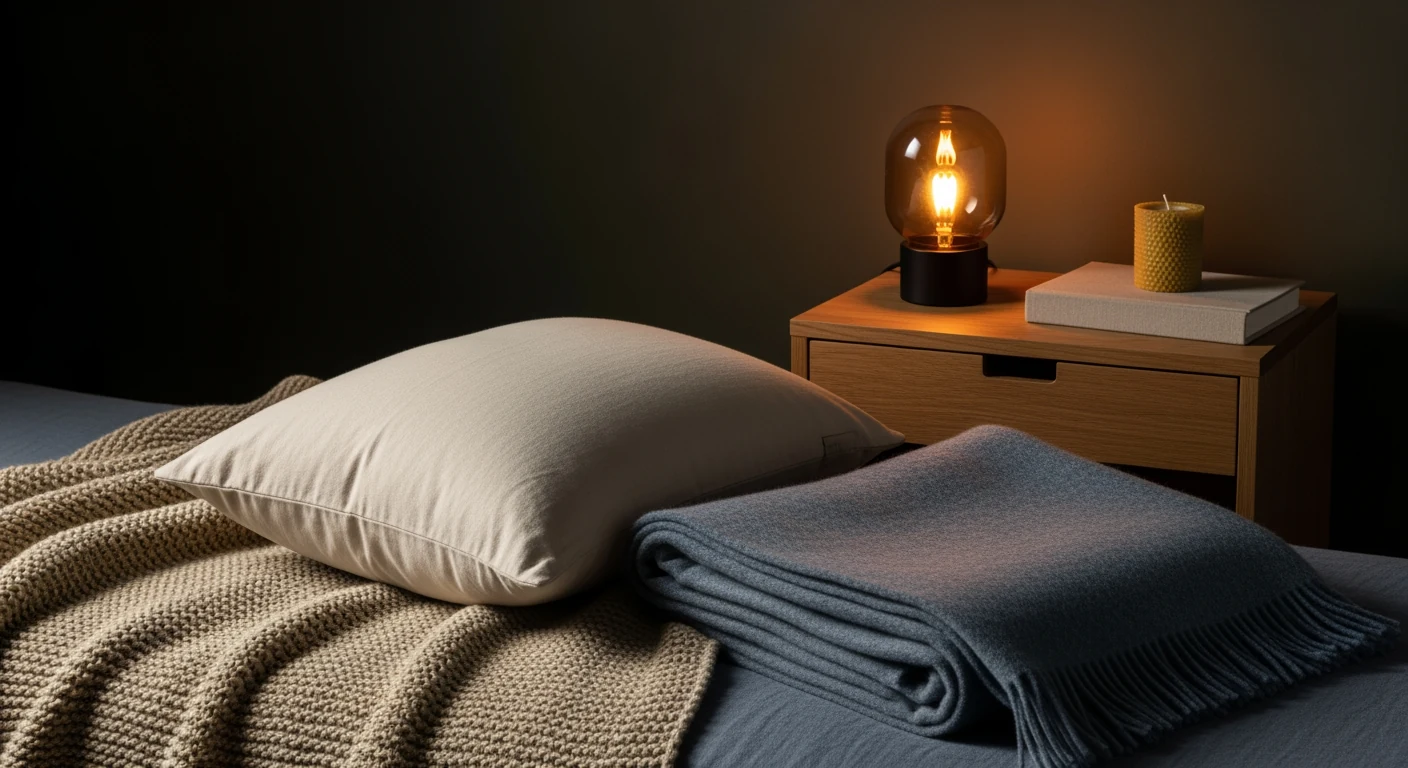
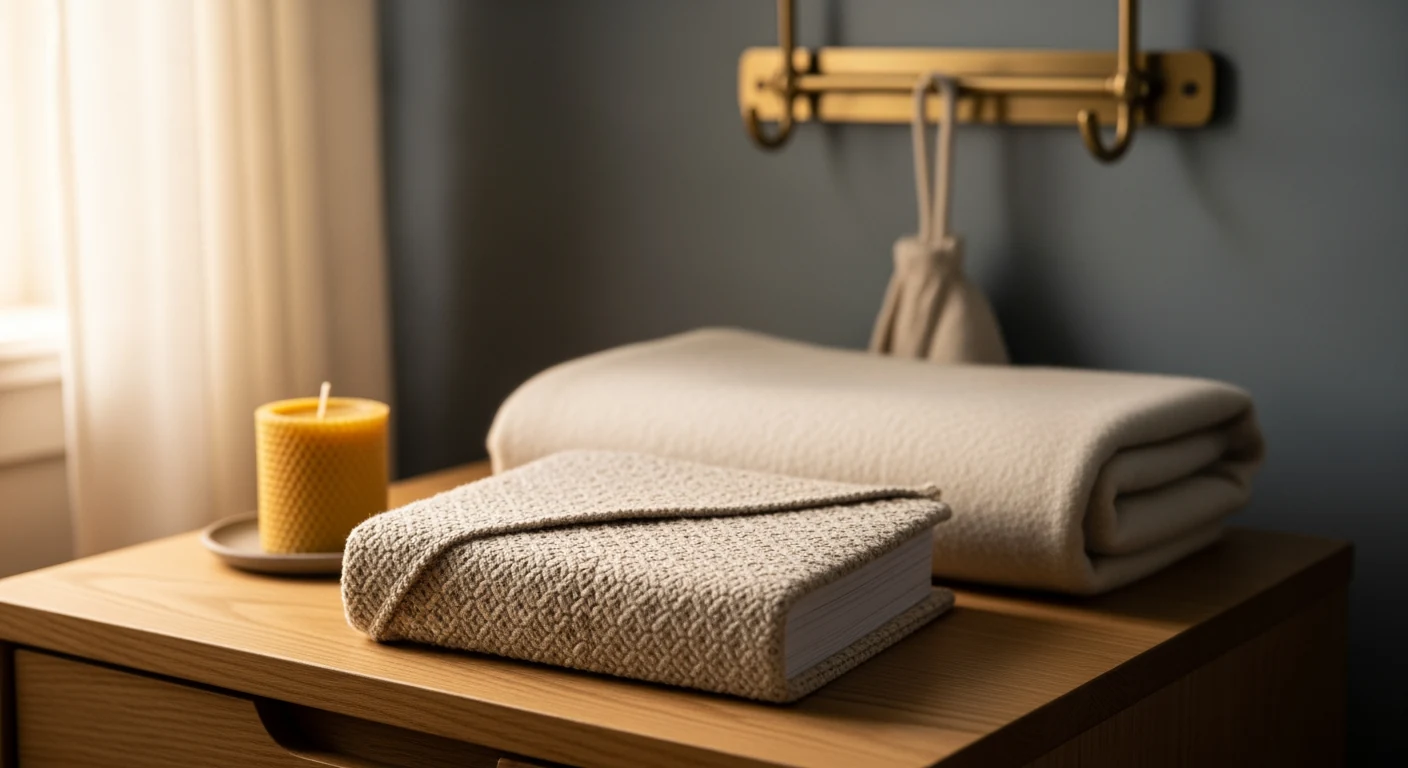
Three. A book, a low warm light, and a named plush. More than three creates clutter; fewer leaves the ritual without anchors. Each object marks one phase of the wind-down.
The book sits on the nightstand and only comes out at step three. Daytime reading happens elsewhere — the bedtime book is reserved for the ritual, keeping it associated with sleep. The light is a single low warm bedside lamp, never overhead. Warm-toned lamplight signals the day is over; cool overhead light suppresses melatonin. A Hearthstone is built as a quiet ember-glow lamp at £59.99.
The plush is the one object the child holds. It is named, weighted, and stays in the bed — the only object that travels into sleep with the child. Glowkin's emotional companions cost £34.99 and are made for that role.
How long should a bedtime ritual take?
Thirty to forty minutes once settled. The first weeks will run longer while the child learns the sequence. For most children aged two to seven, the right window is thirty to forty minutes from the first step to lights out. Shorter and the body cannot lower arousal between activities. Longer and the child either falls asleep mid-routine or becomes overtired.
The ritual is the same on Friday as on Tuesday. Weekend variation is the most common reason a ritual loses its grip — a late Saturday bath at 21:00 followed by an early Sunday wind-down at 19:00 tells the body the sequence is unreliable. The four steps need to happen at roughly the same clock time, give or take twenty minutes, every night. Glowkin's Lore sets out why repetition, not novelty, is the brand's design principle — the same idea applied to bedtime.
Frequently asked questions
What time should a child's bedtime ritual start?
Work backwards from the child's natural sleep time. A three-year-old who falls asleep around 19:30 begins step one at 18:50. A six-year-old asleep at 20:00 starts at 19:20. Consistency matters more than the exact clock time — within twenty minutes of the same time every night. If rushed, start ten minutes earlier rather than skipping a step. If the child is wide awake at the end, you have started too early.
Is a bedtime ritual the same as a bedtime routine?
Not quite. A routine is whatever you tend to do most nights, in some order. A ritual has a fixed order, fixed cues, and fixed objects. The body responds to ritual faster than to a loose routine because the sequence becomes a reliable signal of imminent sleep. A loose routine might take forty minutes to wind down a child; a ritual brings the same child to sleep in twenty.
What if my child resists one of the four steps?
Resistance usually means the order is wrong, not that the step is wrong. If a child fights the bath, check whether something energising is happening just before. If the book step is rejected, the lamp may be too bright or the book too long. The ritual needs each step to flow into the next at the same energy level. Adjust the order, not the child.
Should the named plush be there from the start of the ritual?
Yes. The plush should be visible from step one, not produced as a final reward. The child associates the plush with the whole wind-down, not just lights out. By step three the plush has been in view for fifteen to twenty minutes, which gives the bond time to anchor. A plush introduced only at the very end carries less weight as a co-regulation object.
Can a bedtime ritual work if my child shares a room with a sibling?
It can, with two adjustments. The children each need their own named plush — the bond does not transfer. And the two need to be at compatible points in the ritual. Step three for both at the same time works well; tidy-up for one while the other is in the bath usually does not. Many parents stagger the start by ten minutes so the children meet at step three.
Is the bedtime ritual still important after age seven?
Yes. The structure stays useful well into early secondary school, though the steps shorten. Tidy-up becomes a desk reset; the bath becomes a wash; the book may shift to a chapter of something longer; the plush stays. Older children often need the ritual most during transitions — a new school year, a move, family change — when the predictability becomes the most reassuring part of their day.
How long does a new bedtime ritual take to settle?
About fourteen days for most children. Parents often expect it to work by the third or fourth night and abandon it on day six. Hold the order for a full two weeks before judging whether it works. By day fourteen, most children begin to anticipate the next step rather than resist it — that anticipation is the signal the ritual has settled into the body.
Be first to hold one.
Glowkin's first run is small and waitlist-led. Join The Glowkin letter — one slow note a month — and be first to know when Blaze, Fira, Glint and Ash arrive.