A weighted teddy for anxiety, made for small hands and small hours
A weighted teddy for anxiety is not a sleep aid or a treatment. It is a calm pressure on a small chest at 11pm — and the science of why that helps is older and quieter than the marketing suggests.
A weighted teddy for anxiety is a comfort plush — usually 350g to 500g in the lower body — that gives a small child something steady to hold during emotional overwhelm. It is not a medical device. It supports co-regulation through gentle deep-pressure input, the principle that also sits behind weighted blankets for older children and adults. Glowkin's plush comes in around 400g, hand-finished in Lancaster, UK, £34.99 and built for between two and ten years of daily use. Without weight in the lower body, a comfort plush stops being carried within a week. The underlying science is older and quieter than the marketing around it.
What a weighted teddy for anxiety actually does
A weighted teddy for anxiety is a comfort plush that delivers gentle, steady pressure to a child's lap, arms or chest. Occupational therapists call the underlying mechanism deep-pressure stimulation — the same principle behind weighted blankets, sized down for a small body that moves.
A weighted teddy is not a clinical device. It is a domestic comfort object engineered around a single number — somewhere in the 350g–500g range for ages three through ten. Cleveland Clinic's explainer on weighted blanket benefits lays out the principle plainly: distributed pressure settles the body's stress response and helps the wearer shift from alert to rest. The teddy is the portable version. Below 350g the calming effect drops below what a small chest can register; above 500g a young child can no longer lift it. Glowkin's Plush costs £34.99 and is finished by hand in our Lancaster, UK studio with the mass kept low in the body so the plush sits naturally on a lap. The bedtime sequence runs around half an hour once a family has settled into it, and the plush is one quiet piece. Without the right mass, a comfort plush stops being carried within a week.
Why the weight number matters
A weighted teddy for anxiety only earns its name when the mass is calibrated. The 350g–500g window is where a small chest reads the pressure as steady warmth, not as something to manage.
The principle comes from occupational-therapy practice, where weighted items for children are typically pegged to about ten percent of body weight. The Sleep Foundation weight guide for weighted blankets uses the same starting point — that gives a four-stone child around 1.8kg to 2.5kg across the whole body. A teddy is not a blanket. It lands on one part of the body, usually chest, lap or upper arm, so the mass needs to feel like a calm hand, not a sandbag. Glowkin's 400g lower body sits at the heavier edge of "calm hand" for a five-year-old and the lighter edge for a nine-year-old — a compromise that keeps the plush carryable across the years it is most useful. Parents should weigh the toy before buying it; manufacturer labels rarely specify the mass, but a kitchen scale will.
How a weighted teddy works alongside a parent
A weighted teddy for anxiety is one small piece of a longer evening, not a replacement for the adult who just said goodnight. Think of it as a low-key proxy for the warmth of an adult body in the minutes between the goodnight hug and the moment the child is fully asleep.
The NHS guidance on anxiety in children is clear that persistent worry warrants a GP visit; a weighted teddy lives well below that threshold. The plush supports the predictable routines paediatricians recommend for an anxious child — same bath, same story, same bedside arrangement — by giving the child something physical and consistent to anchor onto. The toy carries a face the child can address. Telling Blaze that the bath is scary is a first rehearsal of telling a parent the same thing, and both count. The mass does the regulating; the face carries the language work. Parents must keep their copy honest: comfort and co-regulation, not treatment. A child does not need a clinical claim to feel held — they need a familiar shape, with weight, that a small hand can locate without thinking at 11pm.
What to look for, what to skip
The 2026 market for weighted teddies has more options than three years ago. The new entrants split into two camps: mass-plush manufacturers with a weighted line extension, and small studios making £30–£60 companions by hand.
Avoid any plush with internal speakers, flashing belly LEDs, or "lavender impregnated" filling. Speakers cross a basic rule — the toy should add nothing a parent cannot leave running unsupervised for forty minutes. Lights wake the child once they have finally settled. Pre-scented filling layers a manufacturer's perfume on top of the scent a child's own body and household will lay down over weeks. That accumulated layer is what makes the toy feel personal. Avoid any product that uses "treats" in its copy. Honest copy says "supports" and "calms" — the vocabulary the Glowkin studio uses, and the framing in our anxiety teddy primer. Look for OEKO-TEX-tested fabric, embroidered features (no glued plastic), and a name the child can adopt within a week. Glowkin's Blaze companion is the slate-blue dragon: 22–28cm seated, weighted low, embroidered courage rune, £34.99 from Lancaster, UK.
Care, washing and the years a weighted teddy lasts
A well-made weighted teddy for anxiety lasts somewhere around two to ten years of daily use, with another decade afterwards as a kept object once daily handling slows. A £9 high-street version survives perhaps a year. A £34.99 hand-finished plush outlasts the childhood it began with.
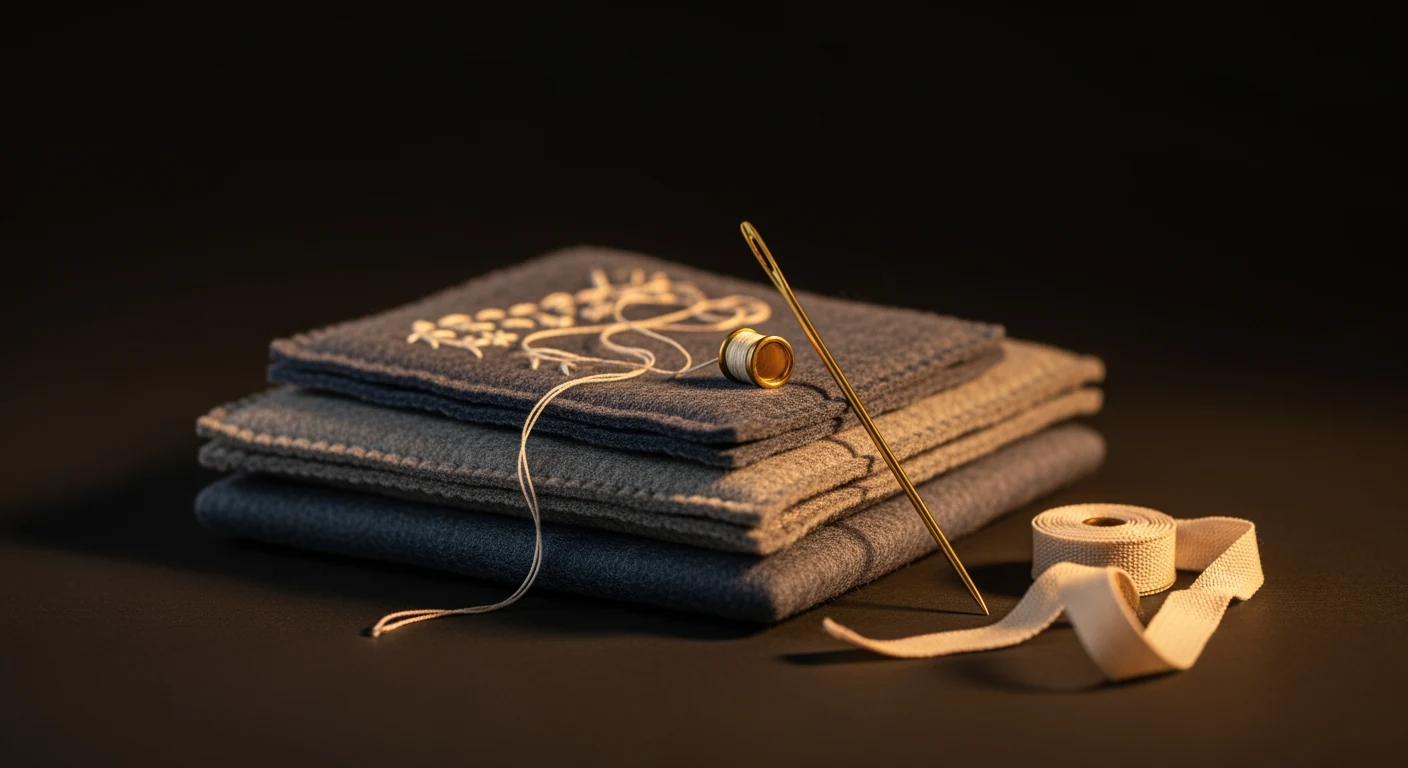
Wash on gentle at 30 degrees, skip fabric softener, dry flat. Tumble drying compresses the fill unevenly and the plush develops cold spots that change how the mass feels in the hand. Glowkin's plush is built for fifteen years of soft handling: double-stitched at stress points, machine-washable on gentle, with replaceable hangtags and a documented care card. The mass sits inside an inner pouch so it cannot migrate. The studio rule is plain — a child who carries a plush every night for a year has touched it more often than the parent has touched any other single object that child owns. Build to that. Most manufacturers do not, which is why our emotional companion range is constructed the way it is.
Frequently asked questions
Does a weighted teddy actually help anxiety in children?
It can help in difficult moments — never on its own, and never instead of parent care or professional support. The 350g–500g window provides steady pressure that settles the body's alert response, by the mechanism weighted blankets use in occupational-therapy practice. It does not treat anxiety. The honest framing is co-regulation at bedtime and transitions. If a child's worry persists, NHS advice is to see a GP.
What is the right weight for a children's weighted teddy?
Aim for somewhere between 350g and 500g for ages three to ten, with the bulk of the mass low in the body. Lighter and the deep-pressure effect falls below the threshold a small chest can register; heavier and a young child cannot carry it upstairs alone, so the plush gets parked in the lounge and breaks the bedtime link. Glowkin's plush comes in around 400g. Adult-weight animals at 1.5kg–2.5kg are a different product entirely, calibrated for older teens and grown-ups.
Is a weighted teddy safe for sleep?
For a child of three or older, around 400g placed on the chest as the child settles is generally considered safe. UK paediatric advice is consistent that any weighted plush is inappropriate for infants under twelve months. The practice is to use the plush as the child settles, not to leave it pinned across the chest overnight. The child rolls in their sleep and the plush ends up by the pillow.
Can a weighted teddy go to school or nursery?
Many can, especially through the settling-in term. A familiar toy in the school bag eases the morning handover by giving the child a piece of home to carry through the gates. Most UK nurseries permit a single small comfort object in a labelled bag; primary-school policies vary. Our Lancaster studio sizes the companions to fit a coat pocket with that drop-off ritual in mind.
How does a weighted teddy compare to a weighted blanket?
A blanket covers the whole body; a teddy lands on one part of it. Both rely on deep pressure, but they are calibrated differently. A blanket suits an older child or adult who keeps still; a teddy suits a younger child who moves around the room. A four-year-old will not keep still long enough for a blanket to do its work, but will happily carry around 400g of plush from sofa to stairs to bedroom without giving it a thought.
Be first to hold one.
Glowkin's first run is small and waitlist-led. Join The Glowkin letter — one slow note a month — and be first to know when Blaze, Fira, Glint and Ash arrive.