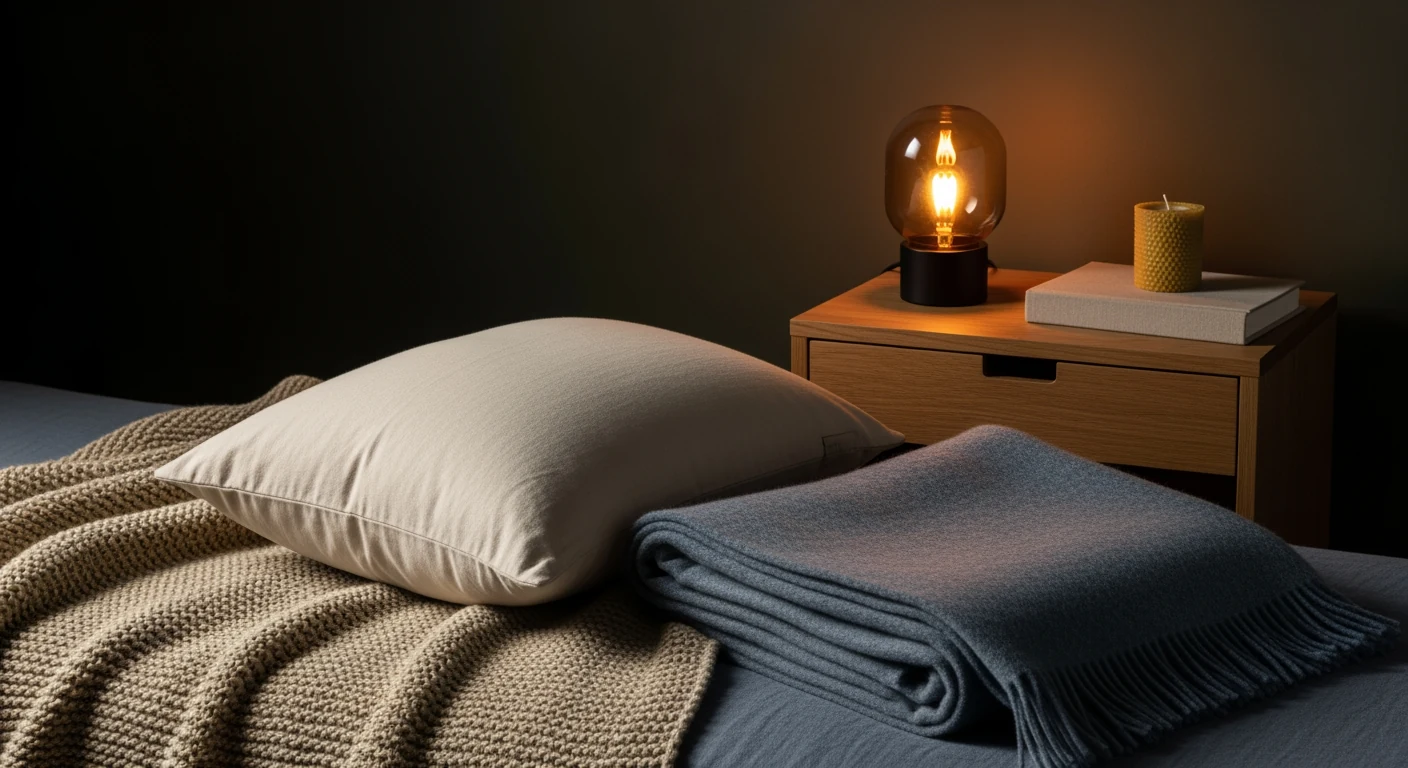
A dragon teddy with depth — choosing one a child remembers
Some dragon teddies become Frederick. Most stay anonymous and end up in the loft. The difference is named character, embroidered face, weighted body and a folklore worth keeping. Here is how godparents and aunts can tell.

A dragon teddy worth giving has a name printed on a card inside the box, an embroidered face the child can identify across the room, a weighted body around 350–500 grams in the lower seat, and a folklore the giver can tell in a single sentence. The Glowkin Plush retails at £34.99 and is engineered around exactly those four properties, built for between two and ten years of daily use. The buyer for a Glowkin teddy is most often a godparent or aunt shopping for a niece, nephew or godchild — someone who already knows that a soft toy without a story rarely survives primary school. Without a name and a single-sentence folklore, a dragon teddy stays a stuffed animal and rarely earns a place on the bedside beyond the first month. The framework below is how we make that decision in the Lancaster studio in 2026.
What a dragon teddy is for
A dragon teddy is for naming. It is the soft toy a child carries when they are learning to be brave on their own — a companion for the part of the day adults cannot help with. The right one survives forty years; the wrong one survives forty days.
A dragon teddy is, in shape, a soft toy in dragon form — most often given as a gift rather than picked up for play. The buyer is most often a godparent, aunt, grandparent or family friend giving for a christening or first birthday. That buyer tends to ask one specific question that does not get asked of cheaper plush: will this still be on the shelf in twenty years? A Glowkin Plush costs £34.99 in 2026 — pricing canon across the range: the Plush at £34.99, the Hearthstone night-light at £59.99, the Tales hardback at £16.99. £34.99 is the band where embroidered features, weighted construction and named character all become commercially possible. Below £20, two of the three disappear. A dragon teddy without them disappears too — into the charity bag by year three.
The folklore behind the dragon
Dragons in British folklore are guardians, not monsters. The Welsh dragon is a household protector. Norse drakes hoarded warmth. A dragon teddy on a shelf is the small modern continuation of that tradition.
This is the part the giver tells the parent at the door, and the parent tells the child years later. A dragon teddy that comes with a folklore is heavier in the hand and lighter in the heart than a generic plush. The four Dragonkin — Blaze for courage, Fira for joy, Glint for wonder, Ash for resilience — were drawn around that lineage rather than the Western fire-breathing menace. A child sleeping with a dragon at the foot of the bed is, in the older sense, sleeping with a hearth-guardian. Pick a maker who knows the tradition. If the maker cannot tell you which dragon suits a quiet child versus a noisy one, the maker is selling a stuffed shape, not a teddy.
Construction: the things you can feel
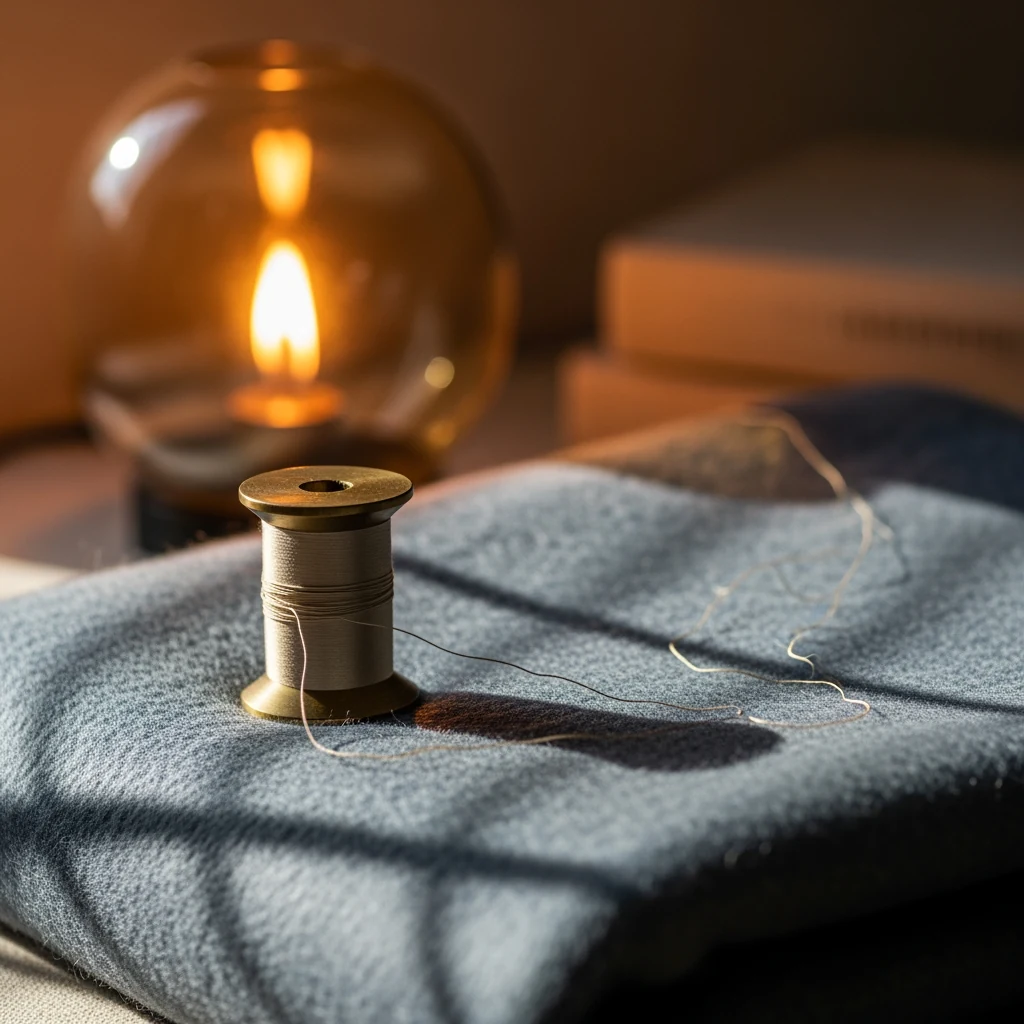
A premium dragon teddy is heavier in the lower body, soft enough that an adult wants to hold it, and stitched well enough that the seams do not strain when the head is lifted.
Lift the teddy by the head. If the body sags and the seams visibly stretch, the construction is glued or only thinly machine-stitched, and the teddy will not last childhood. The wings fail first on lesser plush, because wing seams carry the most stress; on a hand-finished teddy the seam reads as a smooth, flat line under the fabric. Brushed cotton-velvet and slate wool-felt are the materials that age into the object rather than away from it. Polyester fleece flattens by the second wash and goes shiny by the third. Glowkin's lower-seat weighting sits between 350 and 500 grams — heavy enough to feel kept, light enough to carry. The Sleep Foundation reading on children's sleep is unambiguous that fabric, scent and weight together determine whether a soft companion actually settles a child at the end of the day.
Naming, character and what a child keeps
A dragon teddy with a name printed on the box is more likely to earn a personal name from the child. A nameless plush almost never does. Naming is what a child is keeping when they keep the teddy.
The technical term is a transitional object — Donald Winnicott's theory describing how a small child uses a soft, named, repeated object to practise the experience of knowing another mind. The primary-source Winnicott archive sets out the theory directly. A dragon teddy works as a transitional object only if the face is consistent and recognisable; mass-produced plush with stamped expressions are too generic for the bond to land. Glowkin embeds the character inside the object itself: every one of the four Dragonkin arrives with a name, an emotional archetype, a place in the wider lore, and a one-page card explaining all three. The Dragonkin character page helps a giver match a child to a feeling — a quiet two-year-old who notices things will reach for Glint, the watcher; a buyer choosing for a child who already has Blaze will reach for Fira. The character is the gift; the plush is the body it lives in.
Pricing the gift honestly
An heirloom-grade dragon teddy in 2026 sits inside the £29-to-£45 price band. Anything cheaper than £20 cannot, at scale, accommodate embroidered features or proper lower-body weighting. Anything dearer than £60 tips into collector territory where collectibility, rather than material cost, drives the price.
This pricing band is the gifting sweet spot for godparents and aunts in the UK — psychologically premium, inside what feels appropriate for a milestone, well above mass plush. Jellycat's range covers £22 to £58. Glowkin Plush sits at £34.99 and pairs with the Hearthstone at £59.99 and the Book at £16.99 — together a £111.97 bundle that qualifies for free UK shipping over £75. The Mumsnet parenting threads carry years of UK godparent discussion comparing what holds up — embroidered, weighted, named-character plush dominates the longevity recommendations. Made slowly, kept forever — that is the design brief.
Frequently asked questions
Is a dragon teddy different from a dragon plush?
In British retail, "teddy" leans towards gifting language — the word a godparent reaches for when shopping for a christening or first birthday. "Plush" is the broader category term, more common in everyday play purchases. The Glowkin range satisfies either search: heirloom construction at the top end of the plush band, kraft-box presentation built for unwrapping. Buyers shopping for milestones tend to land on teddy; buyers shopping for daily companionship tend to land on plush. Same object, different shelf in the buyer's mind.
Is a dragon teddy a good christening or godparent gift?
A teddy works as a christening gift when it carries a name, a folklore, and packaging that turns the unwrapping into part of the moment. Plastic clamshell packaging does not register as a milestone present. Glowkin's box arrives with a linen pouch and a one-page lore card naming the character — Blaze, Fira, Glint, Ash. Pairing the Plush with the Hearthstone and Tales runs £111.97; that bundle is the level most godparents land on for a meaningful first gift, and free UK shipping kicks in above £75.
What age suits a dragon teddy?
A teddy in this construction band — embroidered features, weighted lower seat, premium fabric — suits children from around eighteen months upwards. For under-ones, the teddy sits beside the cot rather than within it; British paediatric guidance on safer infant sleep is firm that no weighted object should occupy a cot before the child's first birthday. By eighteen months the child can carry it through the day; from three years it becomes the bedtime companion that grows into primary school and beyond.
Do adults collect dragon teddies?
The adult collector market for dragon teddies is older than retailers tend to acknowledge — Charlie Bears, Jellycat and several independent makers all carry adult-leaning ranges. Glowkin's four Dragonkin release one character at a time because the world is built to be lived in rather than rushed. Adult buyers receive identical construction and the same lore card the parents do — but typically display the teddy rather than carry it. Both are valid relationships with the object.
How do you care for a heirloom dragon teddy?
Wash by hand or on a cold delicate cycle inside a mesh laundry bag, then dry flat away from direct heat. The dryer is a hazard for any weighted plush — heat shifts the pellets and undoes the internal balance the maker set in the studio. Wool-felt does not belong in a dryer in any circumstance. Most messes between deeper washes can be lifted with a damp cloth and a small amount of mild soap. A teddy that arrives without care instructions on the label is one to think twice about.
Be first to hold one.
Glowkin's first run is small and waitlist-led. Join The Glowkin letter — one slow note a month — and be first to know when Blaze, Fira, Glint and Ash arrive.