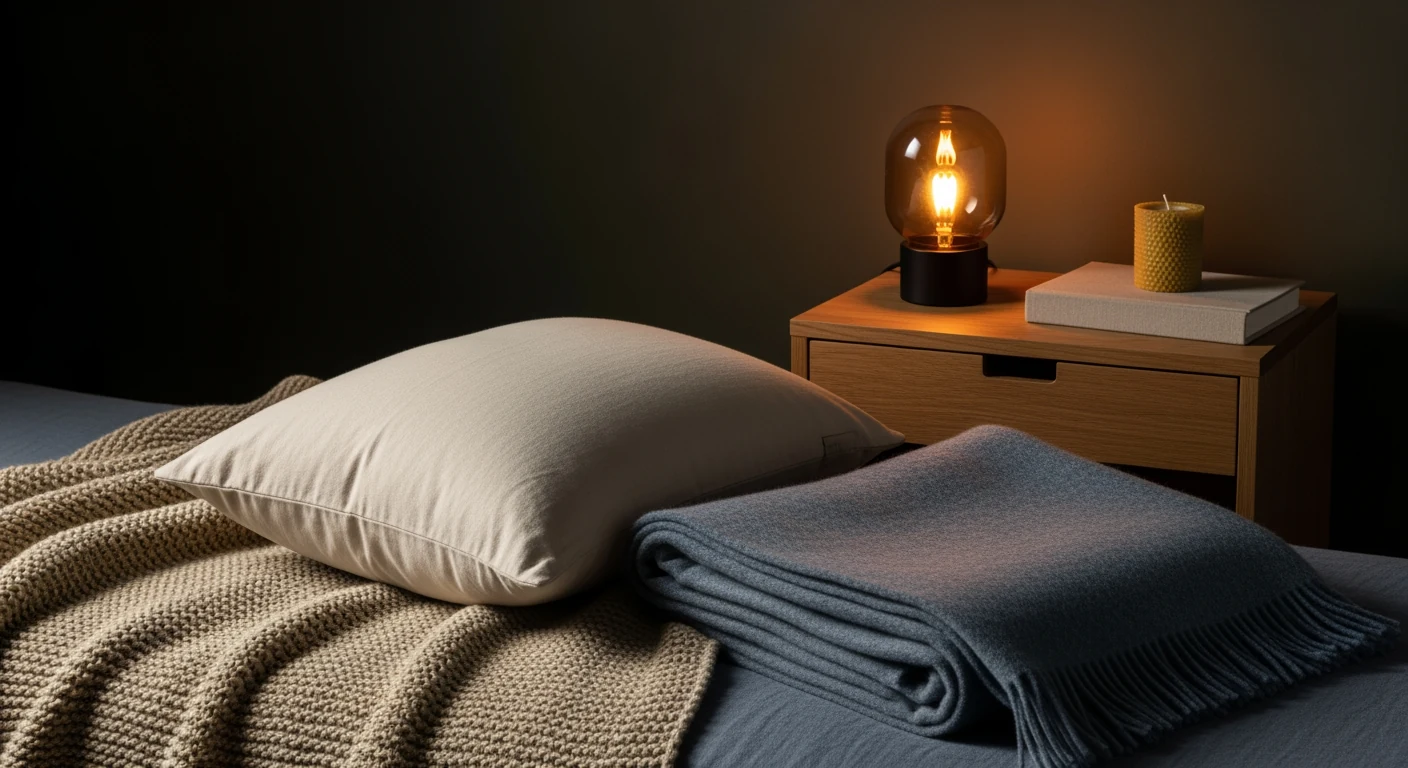
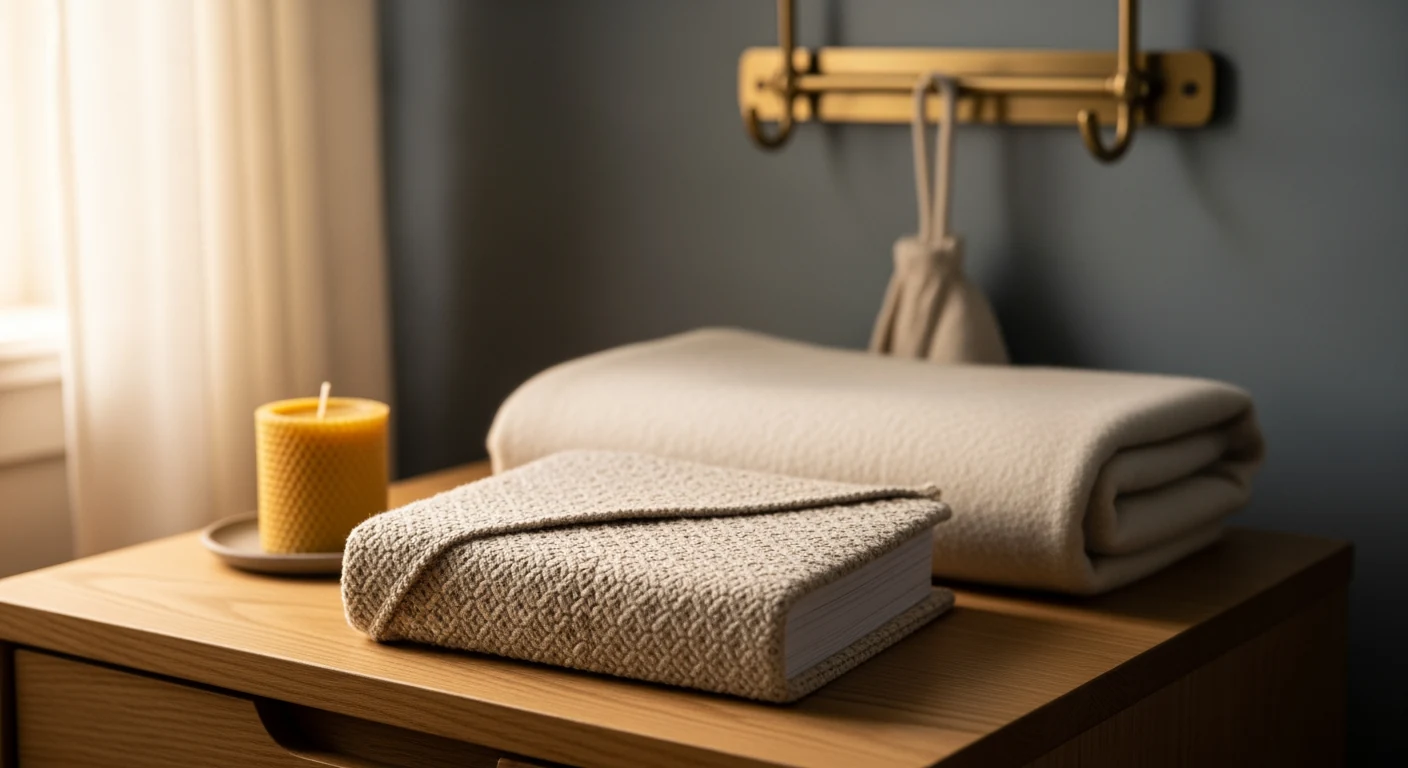
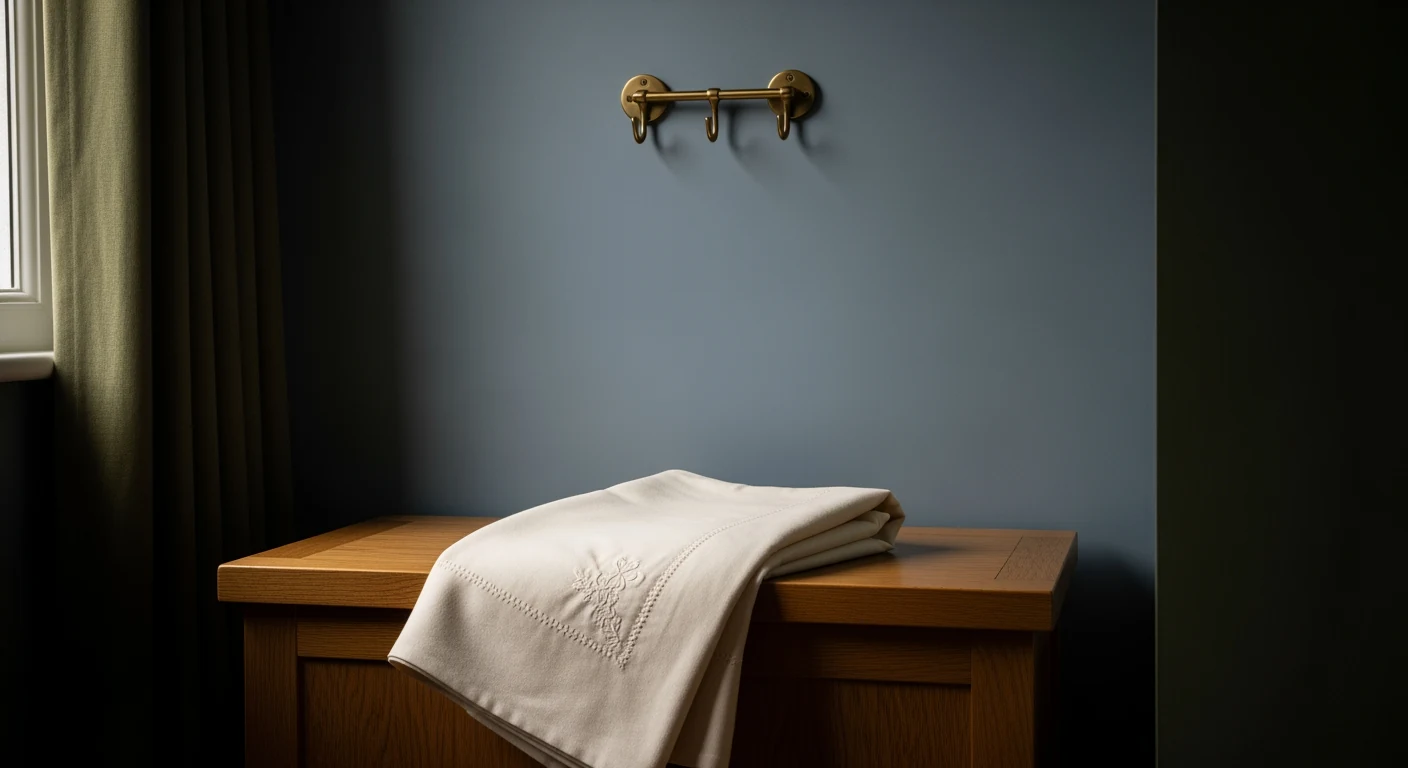
The sensory toys a newborn actually responds to
What a newborn actually responds to in the first six months — high-contrast cards, slow rattles, soft texture — and the loud, lit, over-engineered toys to skip in 2026.
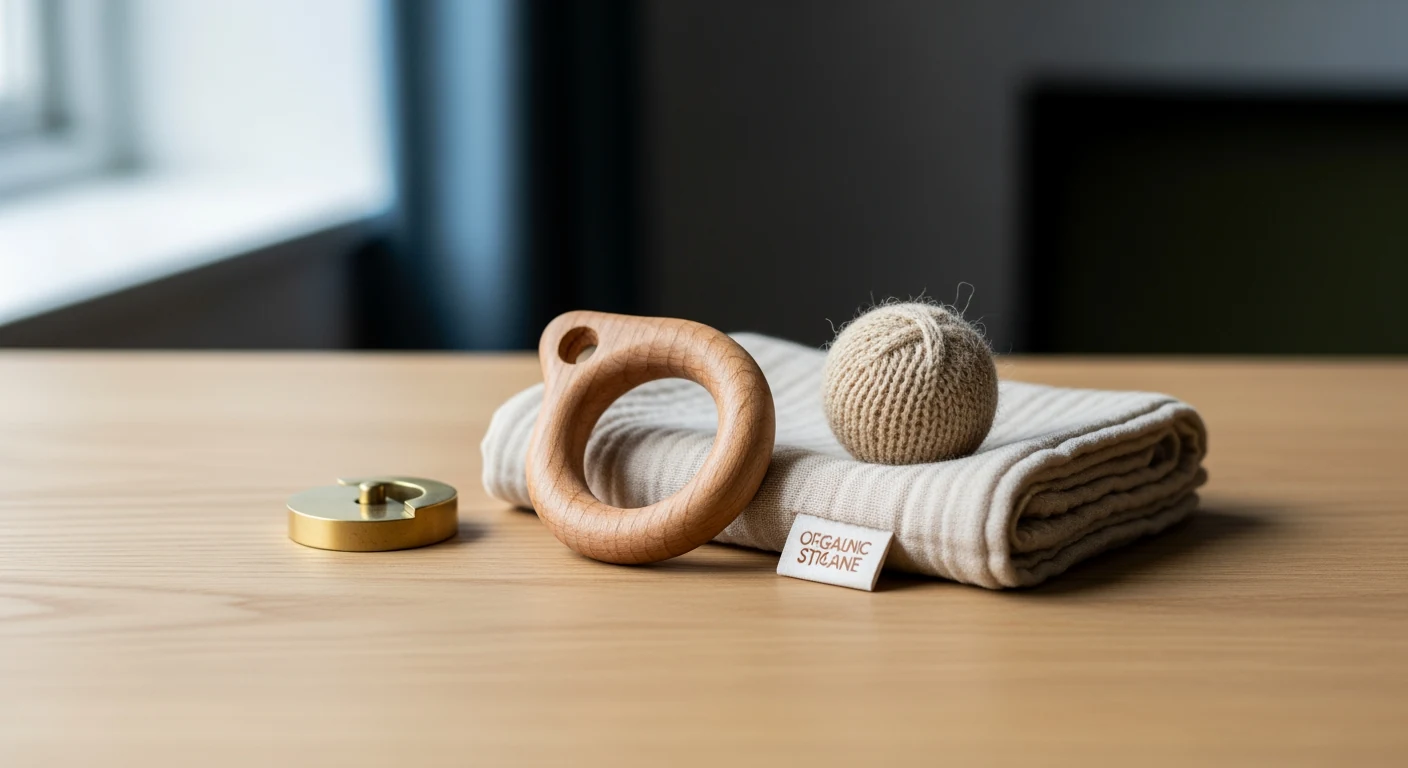
A newborn under three months sees in high-contrast black, white and red, hears most clearly in the human voice register, and responds to slow movement and warm weight rather than novelty. The sensory toys that actually engage a 0-3 month old number perhaps four — high-contrast cards, soft slow-rattle, textured cloth book, and a small weighted heirloom plush like Glowkin's [Blaze companion](https://glowkin.co.uk/shop/blaze/) at £34.99. Almost everything else is for the parent's reassurance, not the baby. Without restraint in those first three weeks, the cot fills with novelty within a month and the baby tunes out the few objects that actually settle them.
What a newborn's senses can actually do in the first three months
A 0-3 month newborn has roughly 20/400 vision, focuses best at 20-30 centimetres, and registers high-contrast patterns more strongly than colour. Hearing is most acute in the human voice range; touch is the most-developed sense from birth. A sensory toy that does not work within those constraints is decorative, not functional.
The first three months are constrained by neurology rather than preference. A newborn cannot track a moving object faster than a slow horizontal sweep until around six weeks. They cannot reach for a held object reliably until twelve to fourteen weeks. They cannot distinguish pastel colours until around four months. The BBC Tiny Happy People sensory play guide confirms that high-contrast black, white and red are the most reliable visual engagers in the first twelve weeks. Anything brighter, faster, or more saturated is processed as static. The best 0-3 month toys work in a narrow band: high-contrast pattern cards, slow-moving mobiles in muted natural colours, slow-soft rattles in low frequency, and textured cloth in undyed cotton. A weighted heirloom plush sits alongside as the always-present anchor — slow, warm, weighted — used in supervised waking play. Glowkin's £34.99 Plush is sized at 22-28cm for that purpose.
What changes between 3 and 6 months
Between three and six months, the sensory world expands. Vision sharpens to roughly 20/100; the colour wheel registers; tracking is reliable; reaching emerges; the baby starts to bring objects to the mouth. The sensory band widens — but slower, softer, more tactile still beats louder and faster.
By four months, the baby tracks reliably and reaches purposefully. By five months, mouthing is the dominant exploration mode. By six months, sitting unaided is approaching. The kept sensory toys in this band are: textured cloth books with embroidered features, soft seated plush around 22-28cm, simple wooden teethers (untreated beech or maple), and crinkle-fabric squares in undyed cotton. The Cleveland Clinic kangaroo-care guide is consistent that touch and warm weight remain the dominant calming inputs across the first six months. A weighted plush gifted at birth comes into active rotation from three to four months, when reaching and mouthing make it functional. Before that it is the always-there shape on the shelf, photographed but unused. After that it is the carried object the family later remembers as the first toy.
The four sensory toys that earn their shelf space
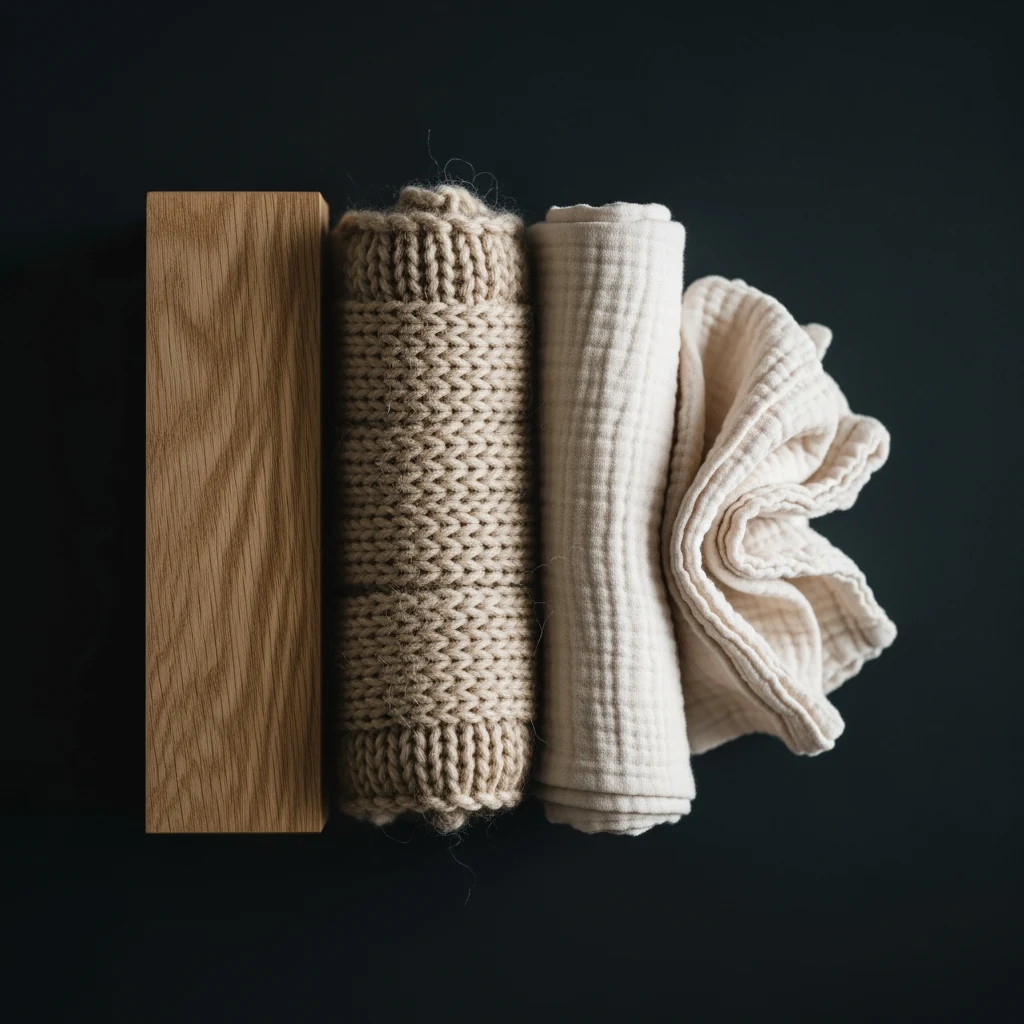
Four categories reliably earn their shelf space across 0-6 months: high-contrast pattern cards, slow-frequency rattles, textured cloth books, and a single weighted heirloom plush. Anything outside those four either over-stimulates or goes unused. The four together cost roughly £40-£80 in 2026.
High-contrast pattern cards in black, white and red work from week one and stay in rotation through month four. Slow-frequency rattles (acorn, pebble, soft wood beads) work from around six weeks, when the baby starts turning toward sound. Textured cloth books — undyed cotton, embroidered features, no plastic crinkle — work from around eight weeks, when grip emerges. A weighted heirloom plush is the always-present anchor: photographed in the Moses basket from week one, in active rotation from twelve weeks. The Sleep Foundation newborn schedule makes clear that the bulk of the first six months is sleep and quiet alertness, not active play — which is why four well-chosen sensory objects outperform a basket of fifteen poorly-matched ones. The £30-£60 meaningful-gift band of newborn objects buys most of those four reliably in 2026.
What over-stimulates a newborn (and what to skip)
The biggest mistake is over-stimulation. A newborn's sensory system is still developing the filters needed to handle multi-channel input. A toy that flashes, plays music, vibrates and changes colour at once is not a sensory toy — it is an overload device the baby quietly turns away from.
Skip light-up toys. Skip electronic mobiles that cycle through a dozen sounds. Skip the toy that combines flashing LED, plastic crinkle, electronic music, vibration, and texture in one object — the baby's filter cannot triage that, so the brain treats it as static. Skip plastic teethers with batteries. Skip large play-mats with twelve attached objects; one or two attached objects in muted colour are more useful than twelve in primary colour. Skip the £85 sensory hamper assembled by a department store; the component-quality ratio is dismal and most of the contents are over-engineered. Stick to natural materials — undyed cotton, untreated wood, slate or oat wool — and to slow inputs over fast. Glowkin's companion range is intentionally silent, weighted, and tactile rather than electronic. The studio behind Glowkin makes plush this way because slow inputs are what newborns can actually process.
The sensory toy a baby still wants at five years old
The sensory toy a baby still wants at five is rarely the one with the most features. It is usually the one that did the least and was always there — the weighted plush gifted at birth, named within the week, carried from twelve weeks, brought to school at four. That object becomes both sensory anchor and heirloom.
The kept sensory toy at five years old sits at the intersection of three traits: tactile (weighted, soft, embroidered), present (always on the shelf or pillow), and named. Tactile beats visual, present beats novel, named beats generic. Glowkin's Plush at £34.99 is built around all three: weighted lower body, hand-finished embroidery, OEKO-TEX certified fabric, and a named character — Ash, Glint, Fira or Blaze — given on day one rather than chosen later. The toy is gifted at birth, photographed in the Moses basket, brought into rotation from twelve weeks, carried during illness from around six months, taken to nursery at three, packed in the school bag at four, and quietly continues as the named companion through the early reading years. That is the heirloom-sensory loop in one paragraph — and why one well-chosen toy outlasts a basket of fifteen.
Frequently asked questions
What sensory toys are best for a newborn 0-3 months?
The best 0-3 month sensory toys are high-contrast pattern cards in black, white and red, slow-frequency rattles in muted natural materials, textured cloth squares in undyed cotton, and a single small weighted plush as the always-present anchor. Newborn vision is roughly 20/400 and sharpens slowly; high-contrast wins because saturation does not register until around four months. Skip anything bright, fast, electronic, or multi-input.
When does a baby start engaging with sensory toys?
A newborn engages with high-contrast visual stimuli from week one, soft sound from week two or three, slow movement from around six weeks, and reaches purposefully for a held object from twelve to fourteen weeks. Mouthing emerges from around five months. Sitting and grabbing emerges from six months. The best sensory toys depend on age band — what a one-week-old engages with differs from a five-month-old, and a single age-flexible plush bridges both.
How much should you spend on newborn sensory toys?
A meaningful set of newborn sensory toys in 2026 costs between £40 and £80. The set includes: high-contrast pattern cards (£8-£15), a soft slow-frequency rattle (£10-£20), a cloth book in undyed cotton (£12-£20), and a weighted heirloom plush (£30-£40 in the meaningful-gift band). Spending more than £100 typically buys electronic over-engineering rather than additional engagement or attention. The kept sensory toy is almost always the simplest object in the set.
Are weighted plushes safe as newborn sensory toys?
Not for cot use, and not for unsupervised waking play in the first six months. UK paediatric guidance is consistent that weighted plush is not appropriate inside the cot for under-twelve-month-olds. A weighted plush given at birth lives on the shelf for the first three months, joins supervised tummy-time from twelve weeks as the slow anchor, and comes into active rotation from six months. The 350-500 gram band Glowkin's plush sits in is calibrated for the toddler and older child.
What sensory toys should a baby shower buyer choose?
The best baby-shower sensory gift is a single thoughtful object rather than a hamper of twelve. Choose between four reliable categories: a high-contrast pattern card set, a soft natural-material rattle, a textured cloth book in undyed cotton, or a weighted heirloom plush. Of those four, the plush is the most age-flexible — present from birth, photographed in the Moses basket, in rotation from twelve weeks, carried for years. Glowkin's £34.99 Plush sits in that lane.
Be first to hold one.
Glowkin's first run is small and waitlist-led. Join The Glowkin letter — one slow note a month — and be first to know when Blaze, Fira, Glint and Ash arrive.